Week 4; June 29, 2017

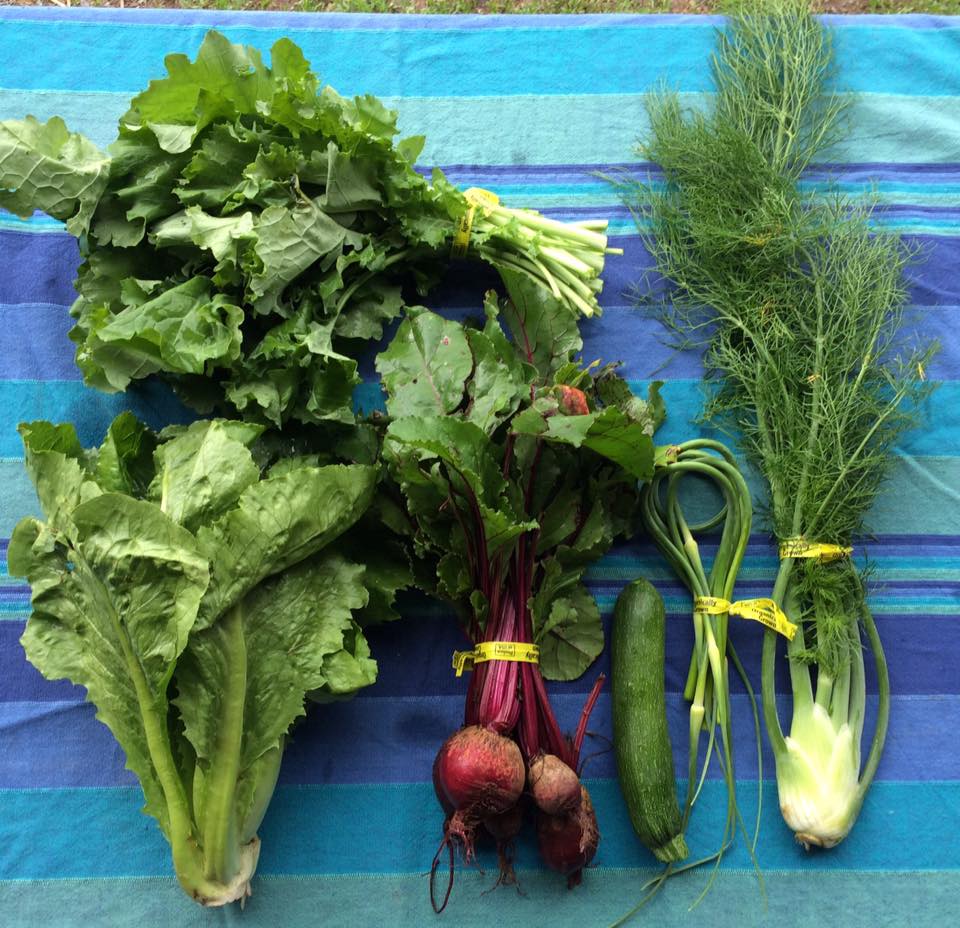
What's in the box?  

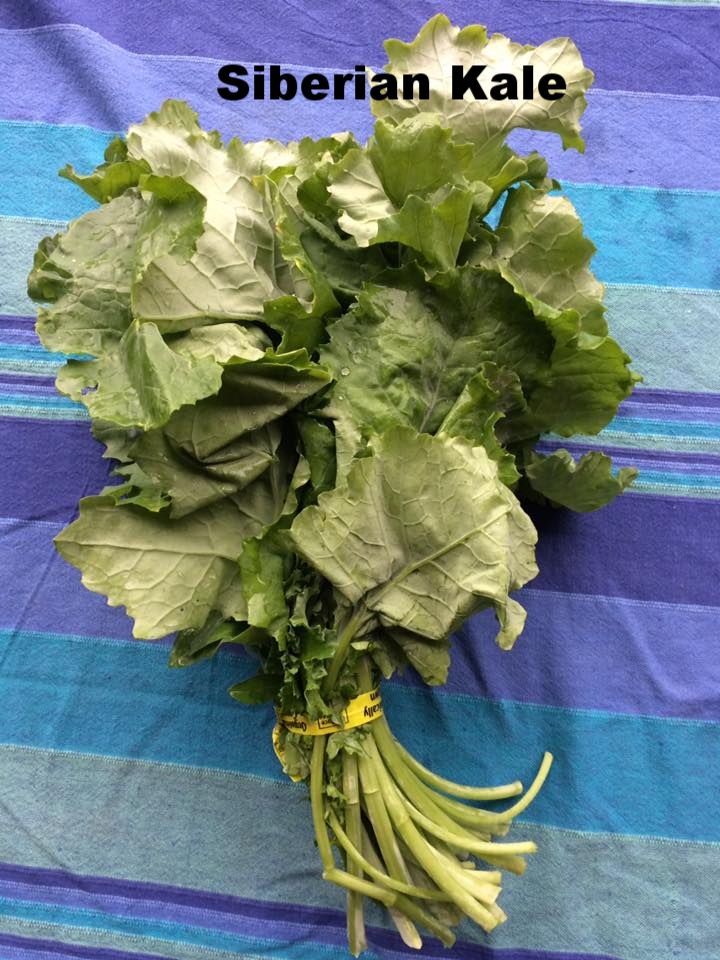
Siberian Kale
Head Lettuce
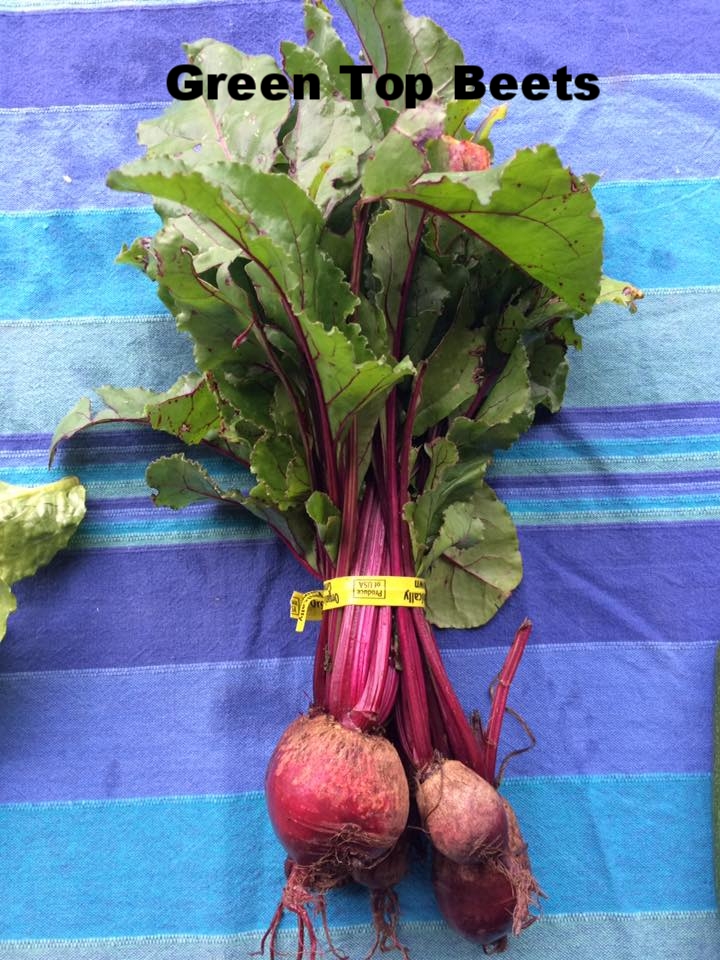
Green Top Beets
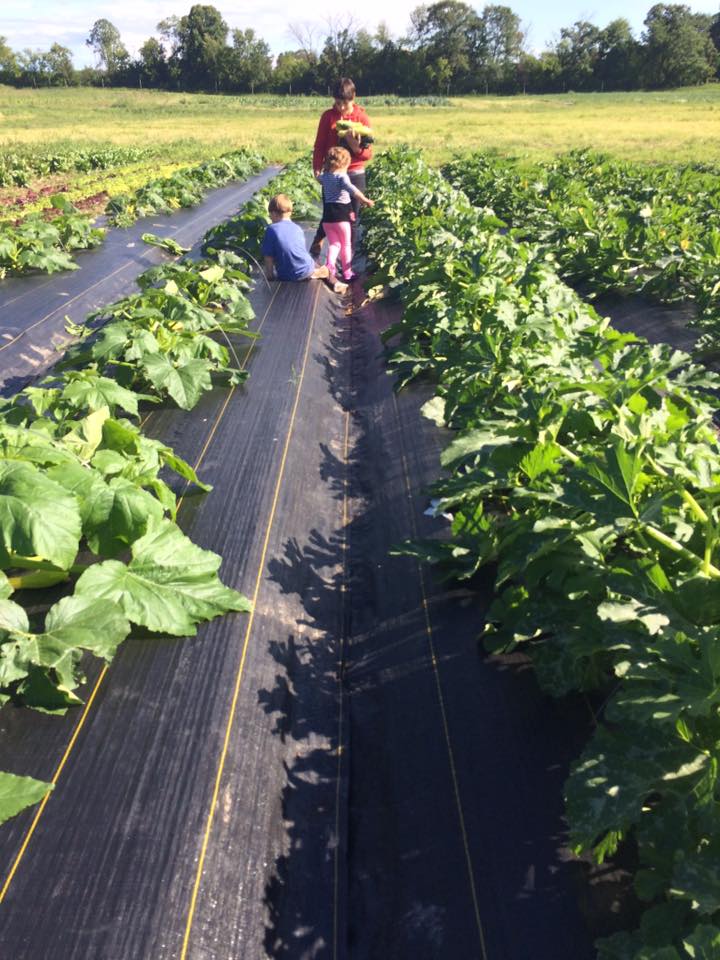
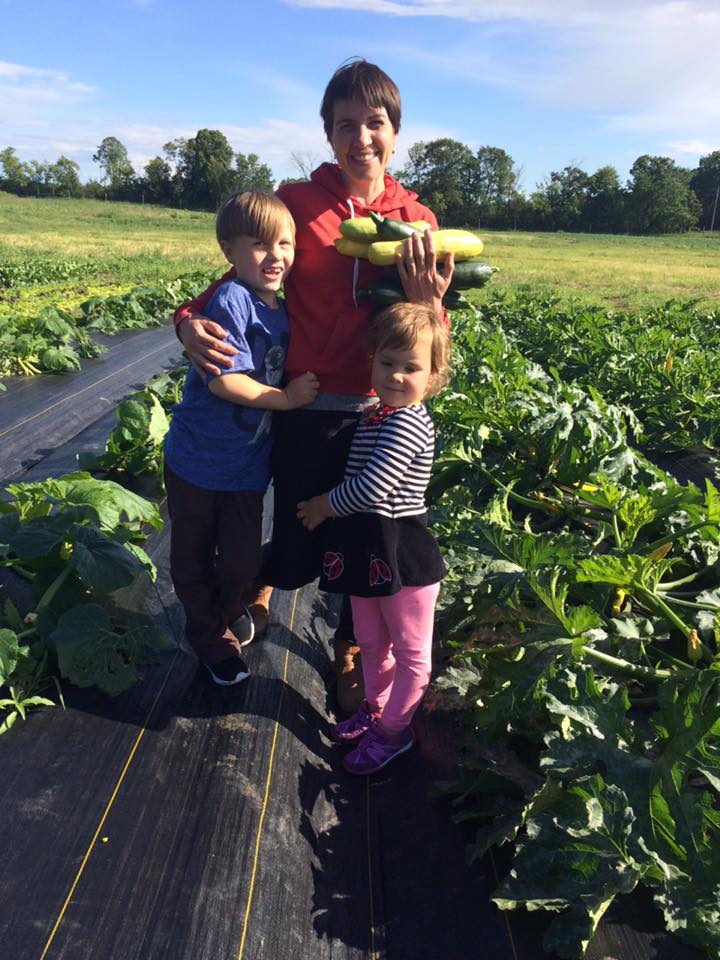
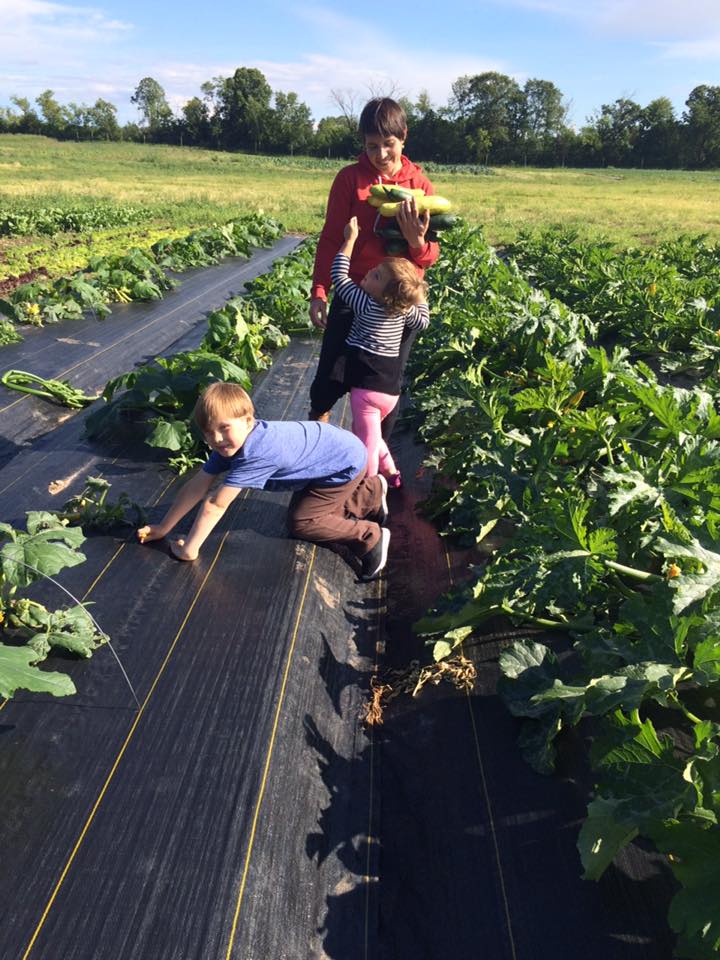
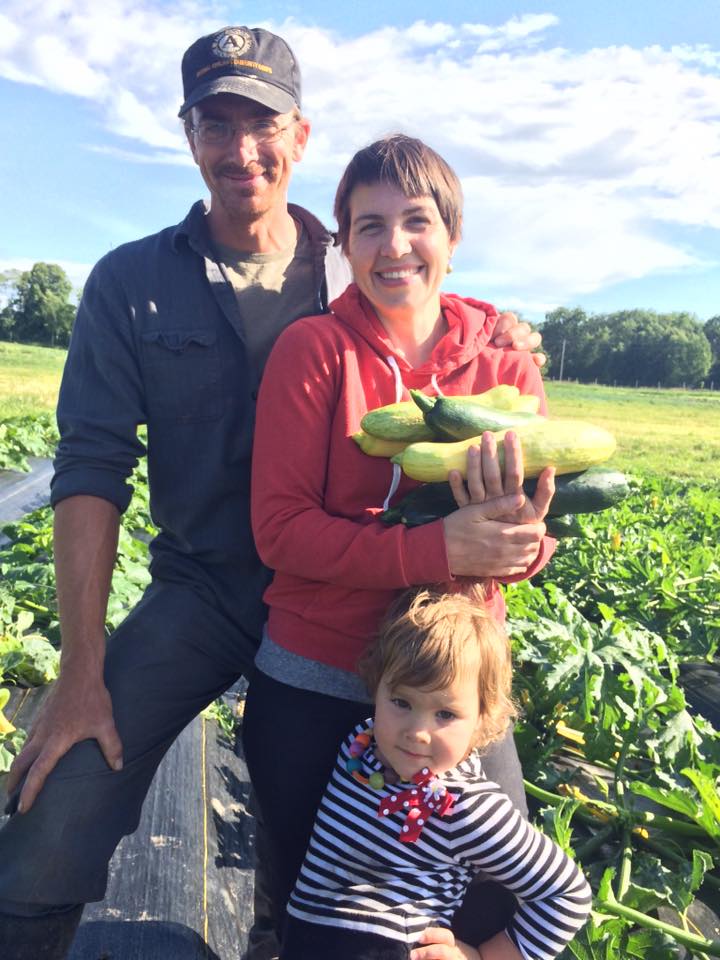
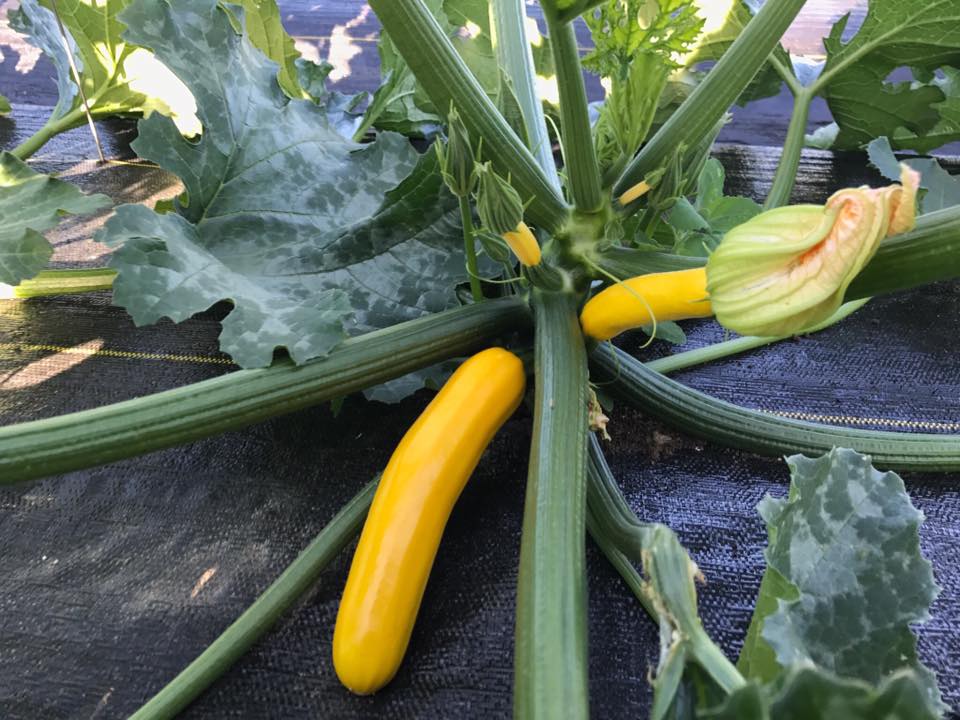
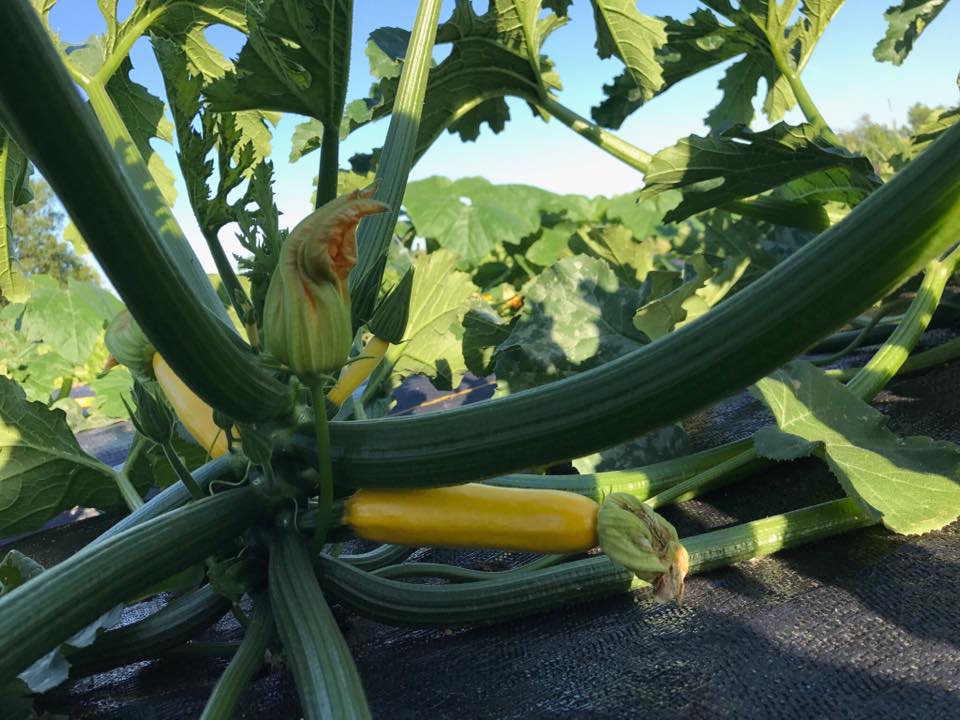
Zucchini / Summer Squash
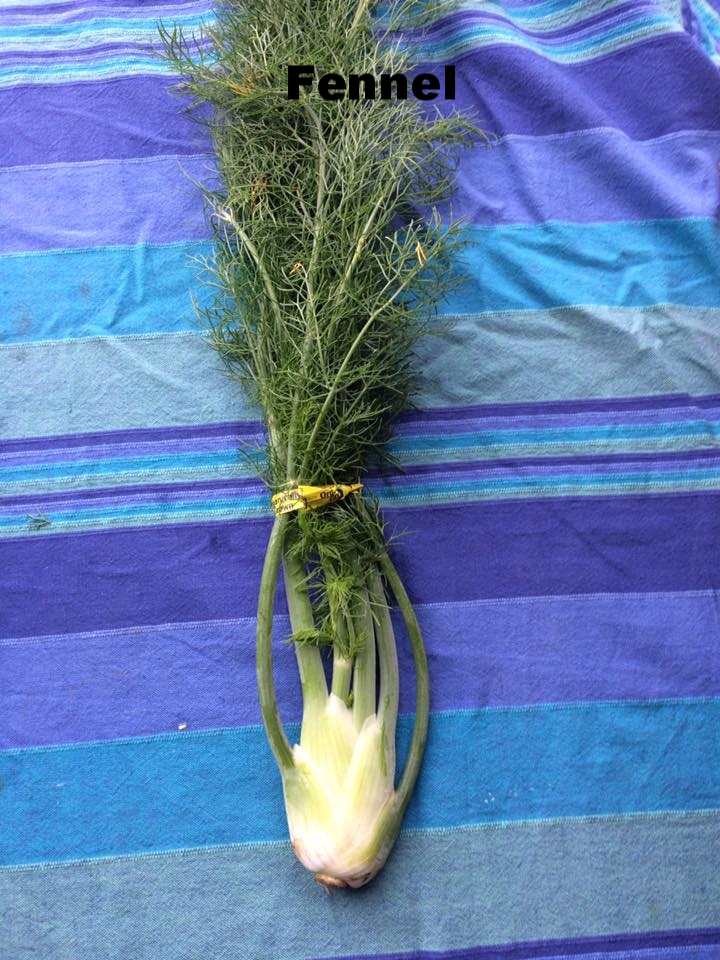
Fennel
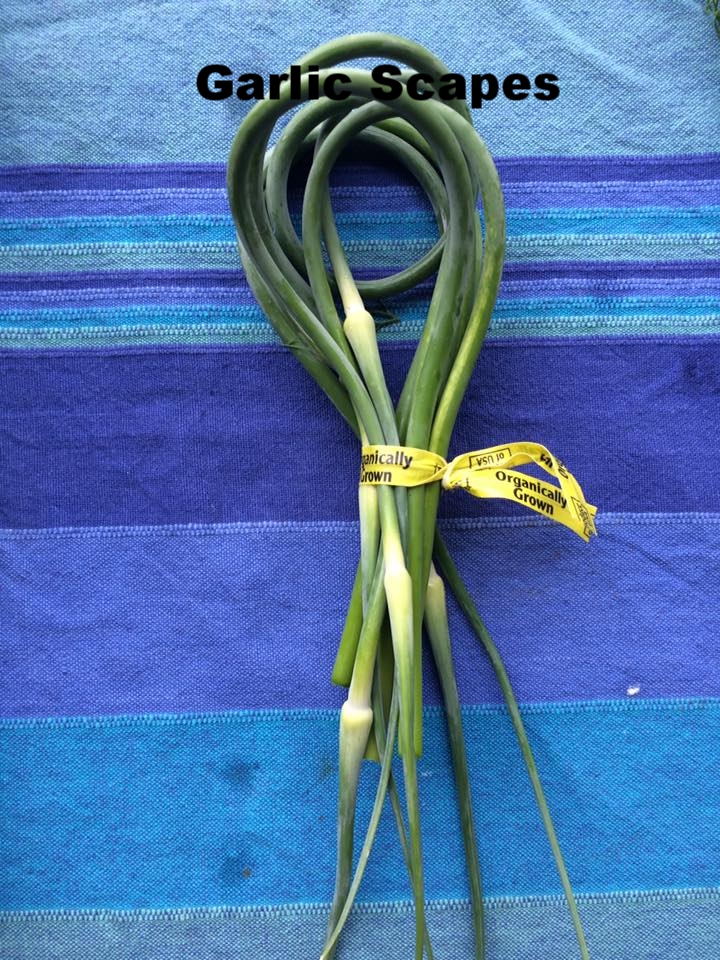
Garlic Scapes
Broccoli - Eat Like a Farmer and Large shares
Notes on the box.

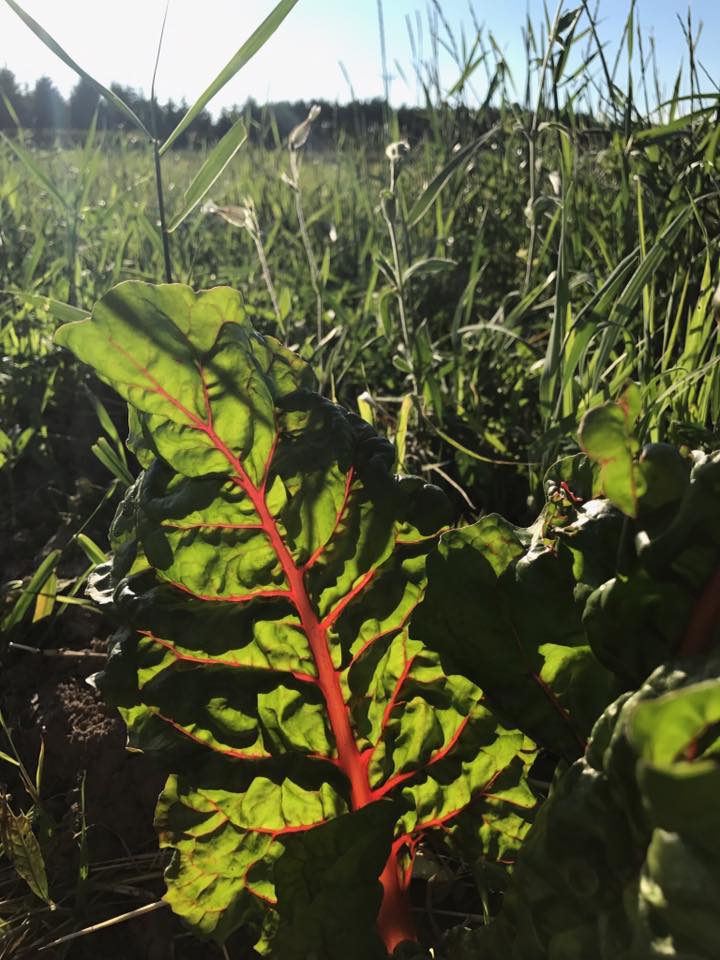
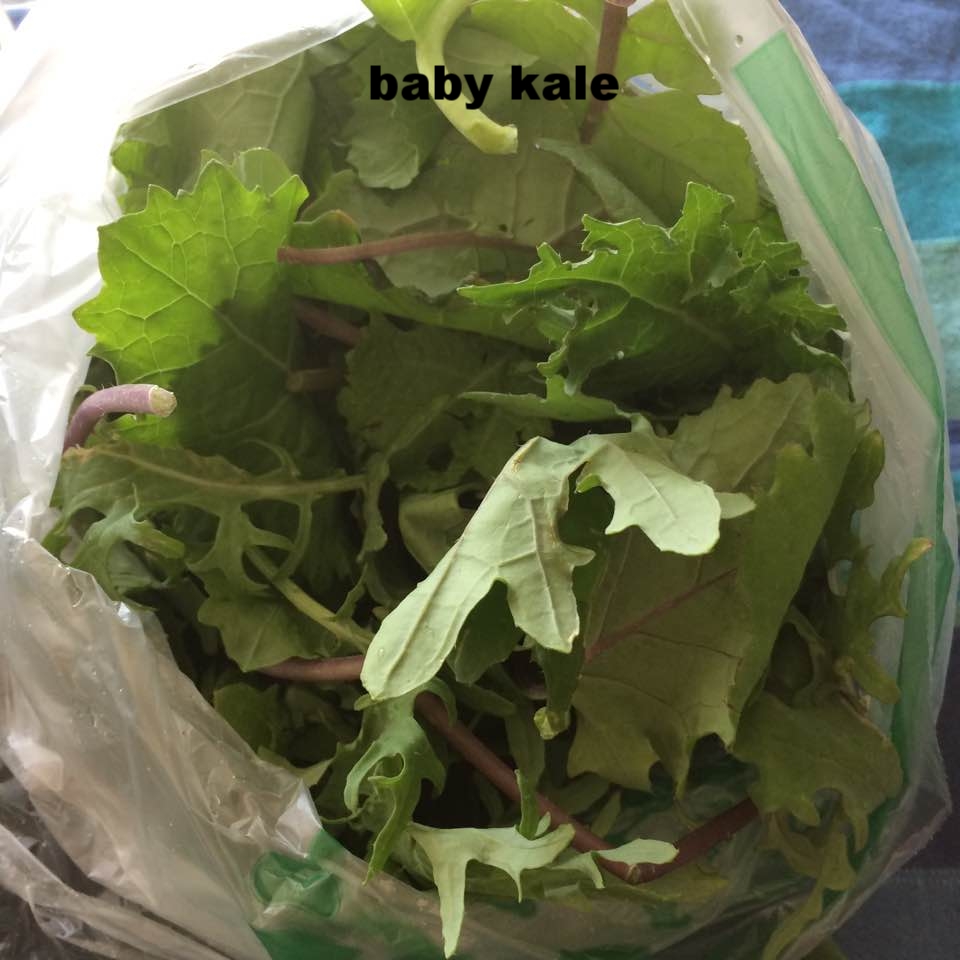
The kale is a mix of Siberian and Red Russian Kale.  These are tender varieties that can be cooked or used in salads. 
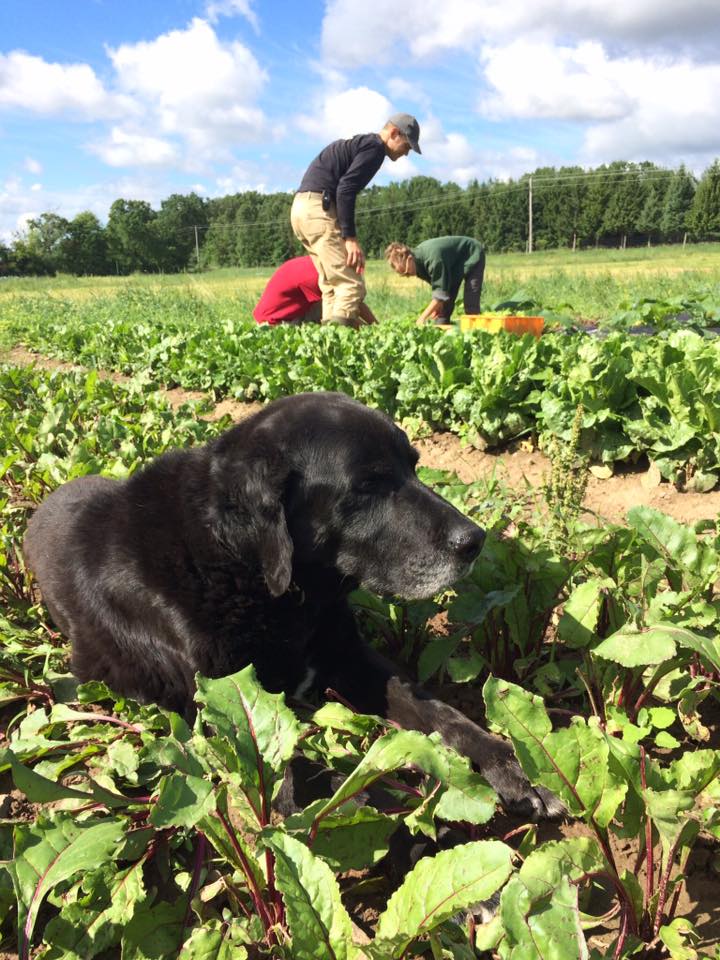
The greens on the beets are edible.  If you plan on storing them for a while, remove the greens from the roots.  
Fennel bulb and fronds are edible.  Use the whisky leaves as you would an herb.  It has a nice fresh anise flavor that goes well with beets or cucumbers.
Garlic Scapes are a nice treat. They are the stem of the flower that the garlic sends up.  Pulling off the flower allows for more energy to go to the bulbs so we can get bigger heads of garlic.  AND the scapes are delicious.  You can use them as you would a green onion, but they will have a garlic flavor.  Some people like to grill them whole.  They also make a yummy addition to pesto.  

Cosmic Wheel Creamery Cheese Shares.

This week we have fresh whole milk ricotta and Antares, our cow's milk Manchego.  Ricotta is nice in a cake or other baked goods.  You can put it in a quiche or pasta dish.  The Antares is always a favorite at market.  It has a flavor that is described as "piquant". Not quite spicy, not quite sharp, but a flavor that opens your sinuses slightly and lingers after you taste it.  

Recipes.

Tumeric and Roasted Fennel, Kale, and Chickpea Salad

  • 1 fennel bulb (save fronds for another recipe)
  • 1 can chickpeas
  • 1 chopped garlic scape
  • 1 tsp turmeric
  • sea salt
  • 2tbsp olive oil
  • 1 bunch kale
  • Dressing:
  • 1 tsp fresh ginger, peeled and grated
  • 2 tbsp olive oil
  • ¼ lemon, juice
  • pinch of sea salt
  1. Preheat the oven to 400
  2. Cut fennel into wedges, place into a bowl and toss with ½tsp turmeric, sea salt and ½tbsp olive oil. Place onto 1 side of a baking sheet.
  3. Drain chickpeas, pat dry and place into a bowl. Add garlic and toss with ½tsp turmeric, sea salt and ½tbsp olive oil. Place onto a baking sheet next to the fennel. Bake for about 30min stirring in between.
  4. Tear kale leaves from the thick stems and wash thoroughly. Pat dry, place into a bowl and toss with sea salt and 1tbsp olive oil. Spread onto a baking sheet and bake for about 10-15min stirring in between.
  5. Mix all of the ingredients for the dressing.
  6. Once everything is baked, toss together and drizzle with the salad dressing. 

Beet Greens with Honey and Nuts

2 Tbsp. coconut oil (or your favorite fat to cook with)
½ cup pecan (or other nuts or seeds) chopped
1 bunch beet greens
1 Tbsp. honey
1 clove garlic, minced (or garlic scape)
¼ crushed red pepper flakes
Fine sea salt & freshly ground pepper to taste
juice of ¼ lemon

Wash greens thoroughly; pat dry. Rough chop into bite sized pieces.

Heat 1 Tbsp. oil a large skillet over medium heat. Add nuts. Swirl pan to coat with oil. Add honey. Stir to evenly coat nuts. Cook another minute, stirring constantly. Remove from pan; set aside.

In the same pan, add the remaining 1 Tbsp. oil and heat. Add garlic and pepper. Stir, and then add greens. Swirl pan. Lightly toss greens with tongs to coat. Cook until just tender and wilted, 2-4 minutes. Squeeze lemon wedge over greens, toss, and plate.  Sprinkle with honeyed pecans. Serves 2.

White Bean Garlic Scape Dip

Ricotta Zucchini Fritters

On the Farm.

Event announcement. 
July 15 Turnip Rock and the Cosmic Wheel Creamery are open for the eat local farm tour from 10 am to 4 pm.   The Eat local farm tour is a self guided open house of area local farms. There will be guided tours of the farm, too. We'll make some drinks and cheese tastings available as well. 
Drive on out to Western Wisconsin! It's a Fun way to spend a Saturday. 

the good news:
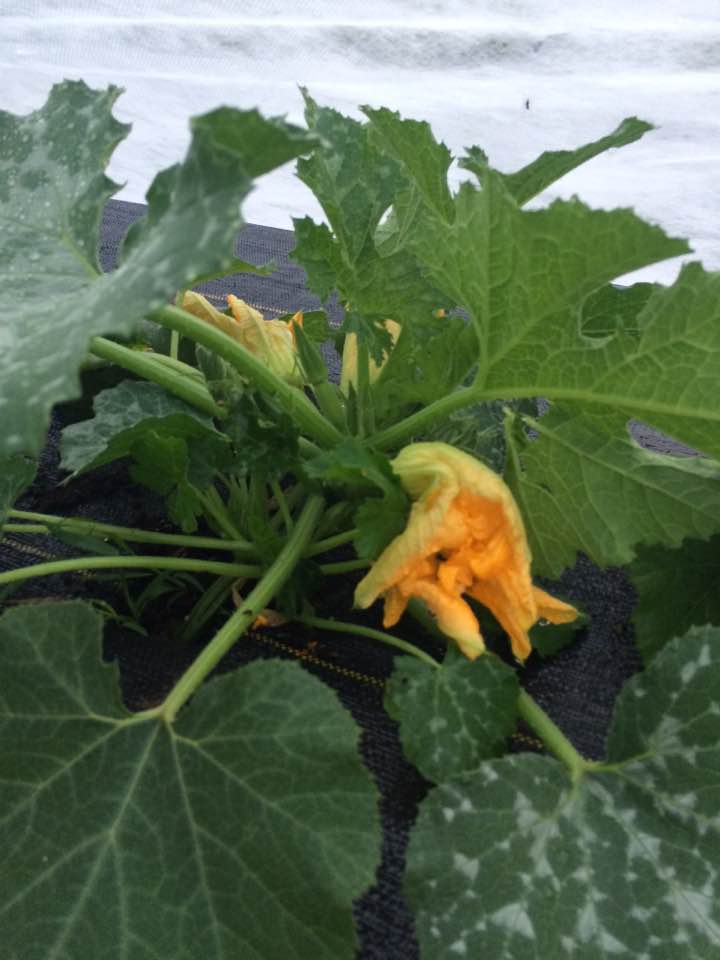
The squash is on it's way... you'll get just a little taste of it right now. Carrots are just a couple weeks out. Cauliflower will be here next week. Cabbage is right behind it. More butterhead and Romaine lettuce, salad mix. It's all within reach.  

the bad news:
The cool wet weather is harboring root maggots, which are causing problems with yields, transplants and any plantings of radishes etc. Warmer temps and drying things out would help, as they are a spring pest and prefer spring type weather.  But more rain is forecast for Friday. Much of our broccoli is acting like its underwater, stunted. I've never seen this before. But when a plants roots are wet for too long it rots off the roots in anerobic conditions, stunting them. We are sadly expecting low yields.  Compared to last seasons boxes, we see a large decrease in harvest and in the value of the boxes.  We will continue to plant and replant and do what we can to get the value to even out over the remainder of the season.  We are doing our best! Our farm has the fewest weeds we have ever had at this point in the season, which is fantastic...  We just keep getting heavy rains and more rain and that's one thing that we can't control.  We will absolutely keep doing all that we can and we are grateful for your support and understanding.  

We wanted to be sure to share with you the chance to sign up for a Summer Herbal Share from our dear friend and neighbor farmer, Nancy, at Red Clover Herbal Apothecary.  The Summer Herbal Share includes tea, tincture, and salves special for summer with the option of choosing to add more to your share.  The Share can be delivered with your Turnip Rock CSA share.  If you are interested, click the link above for more info and to sign up. 

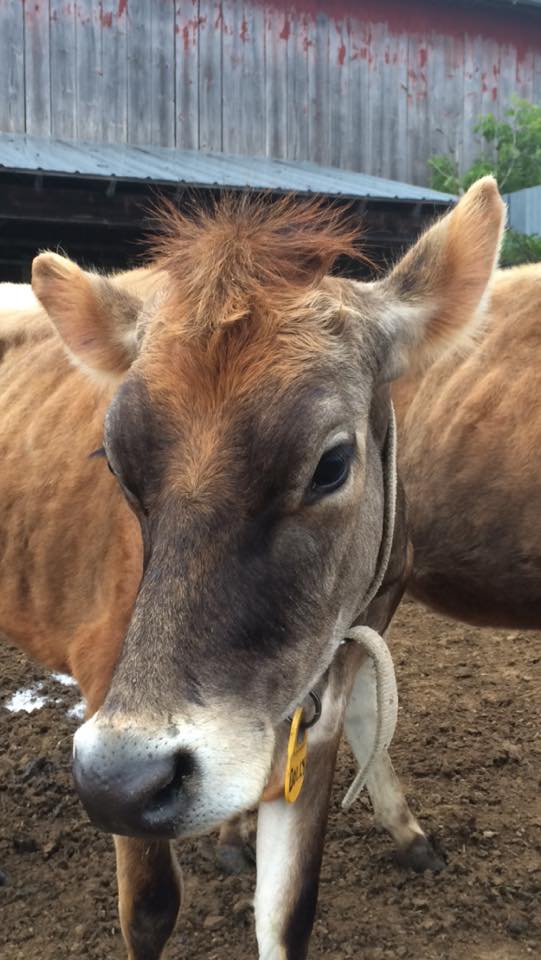
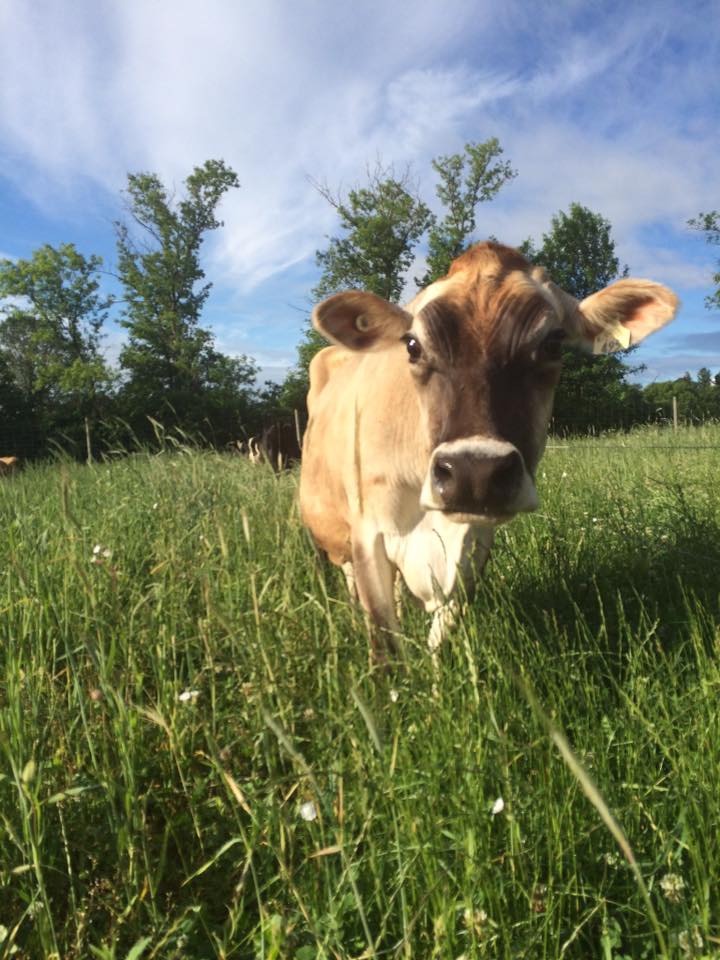
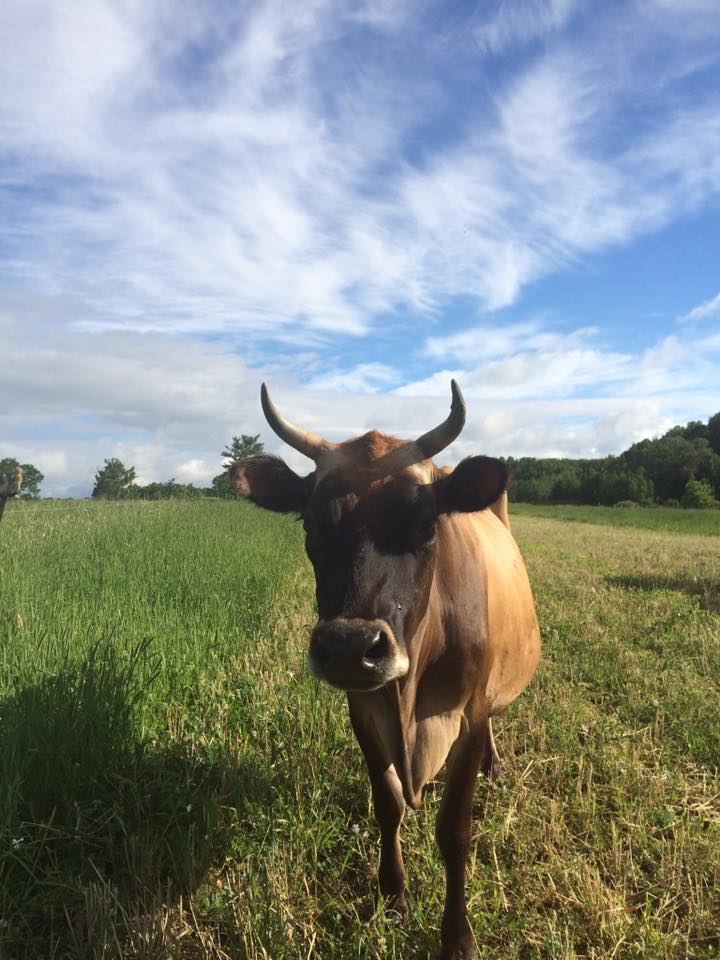
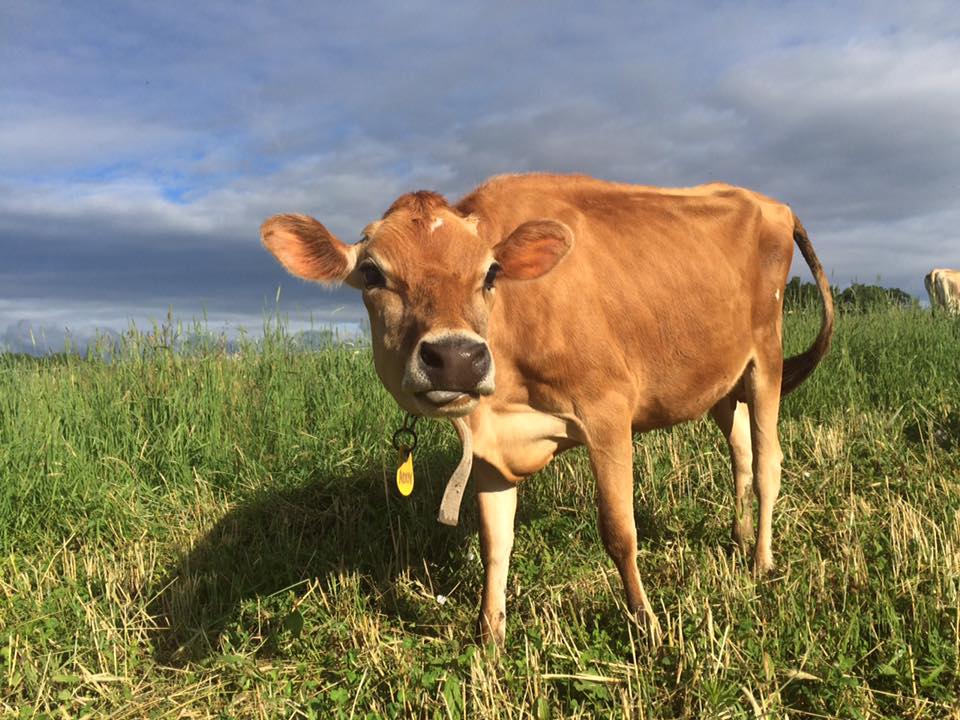
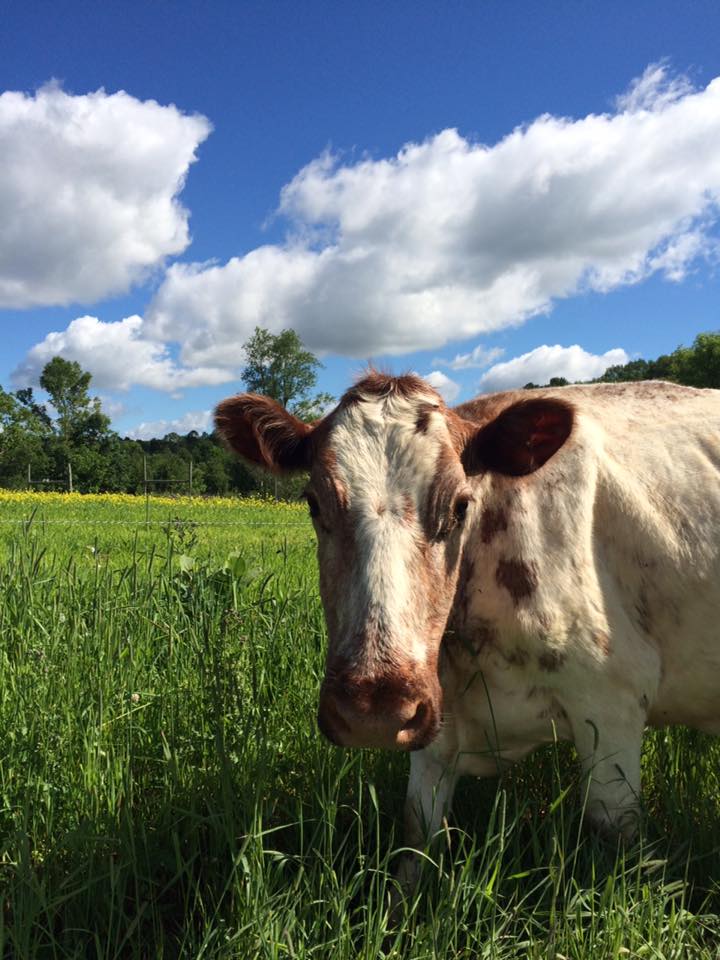
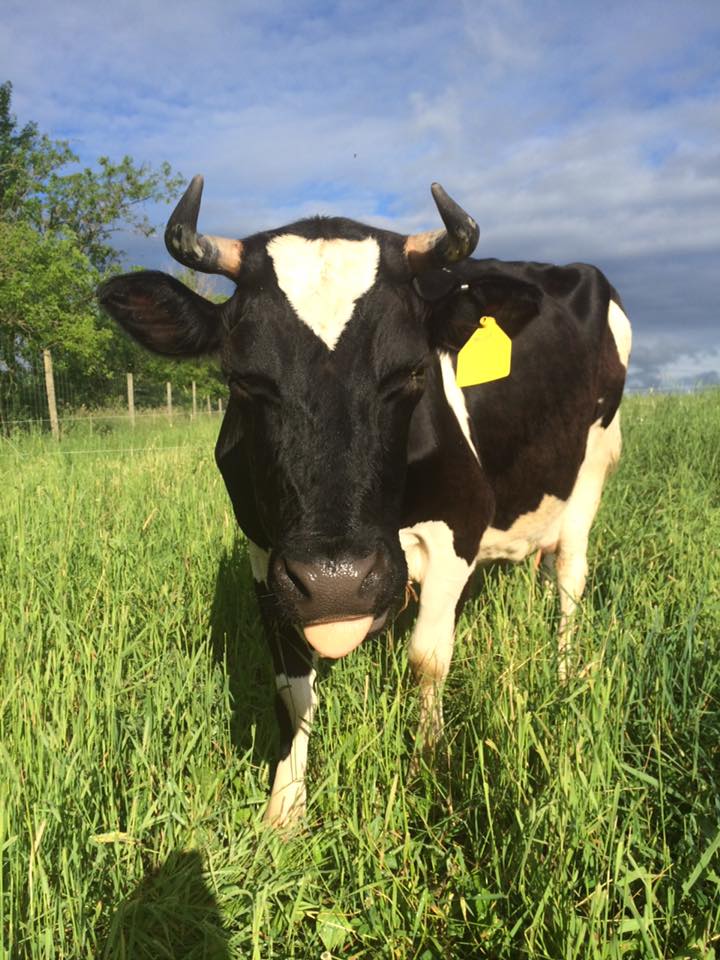
We are trying to decide between these fantastic name suggestions for our new calf...  
Promise
Jonah
moo
Cerna
Betsy

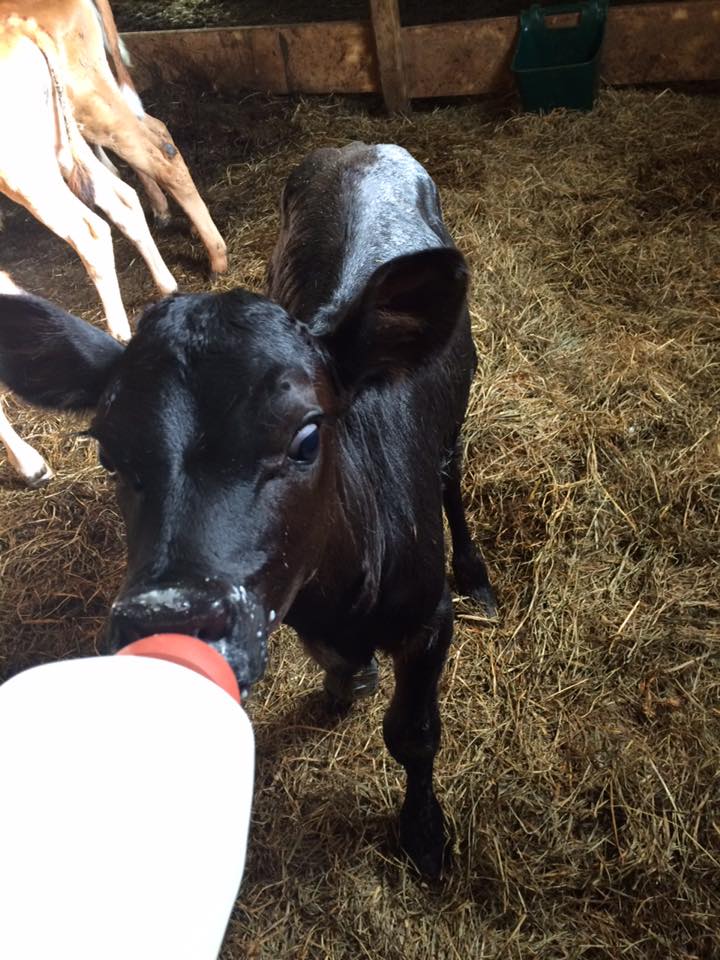
But guess what... We have another new calf to name! See photos below and send your suggestions our way.  :) 

Week 3 - June 22, 2016

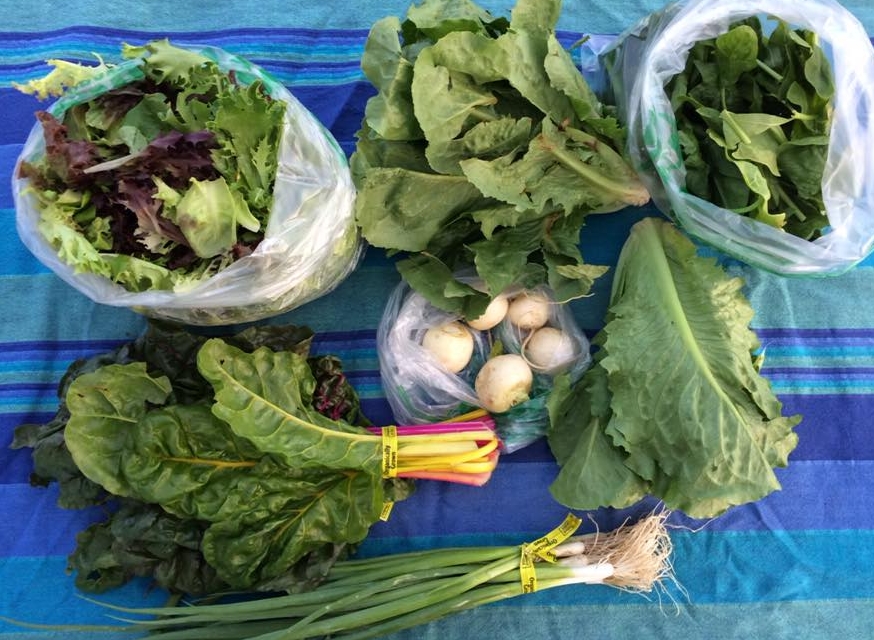
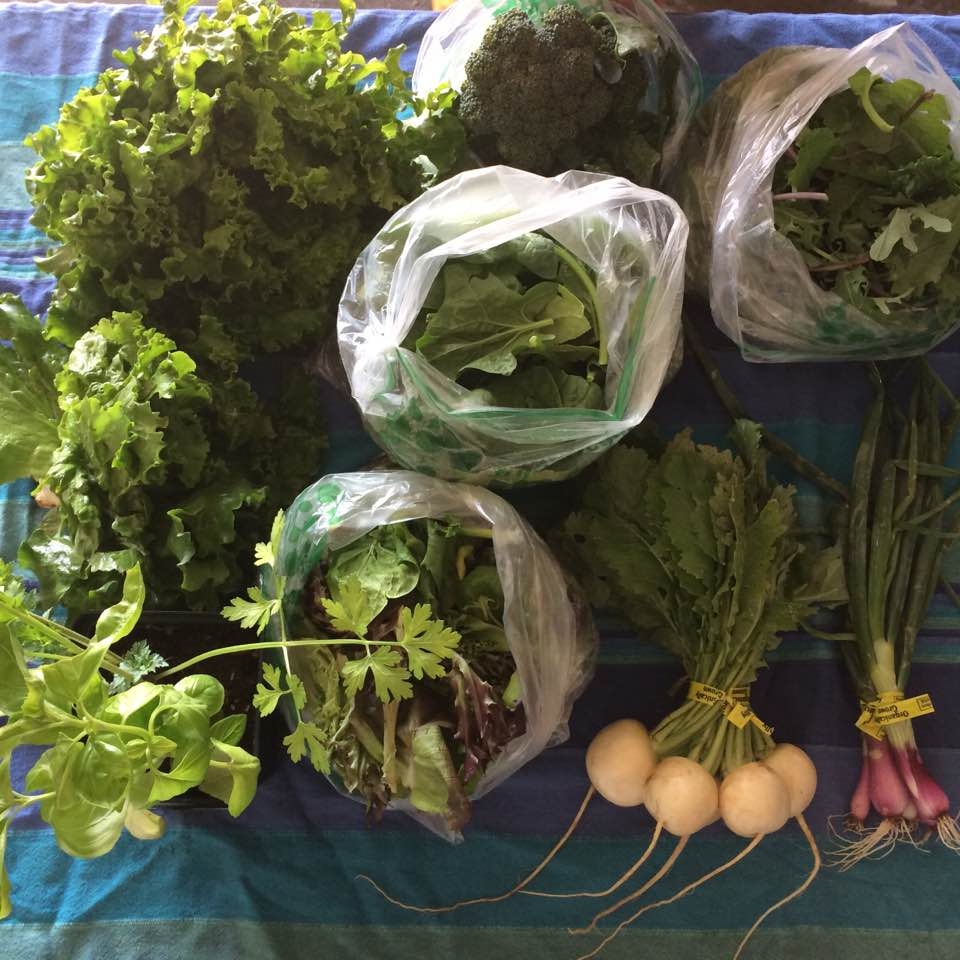
What's in the box?

Green Romaine Lettuce
Scallions (green onions)
Salad Turnips (topped)
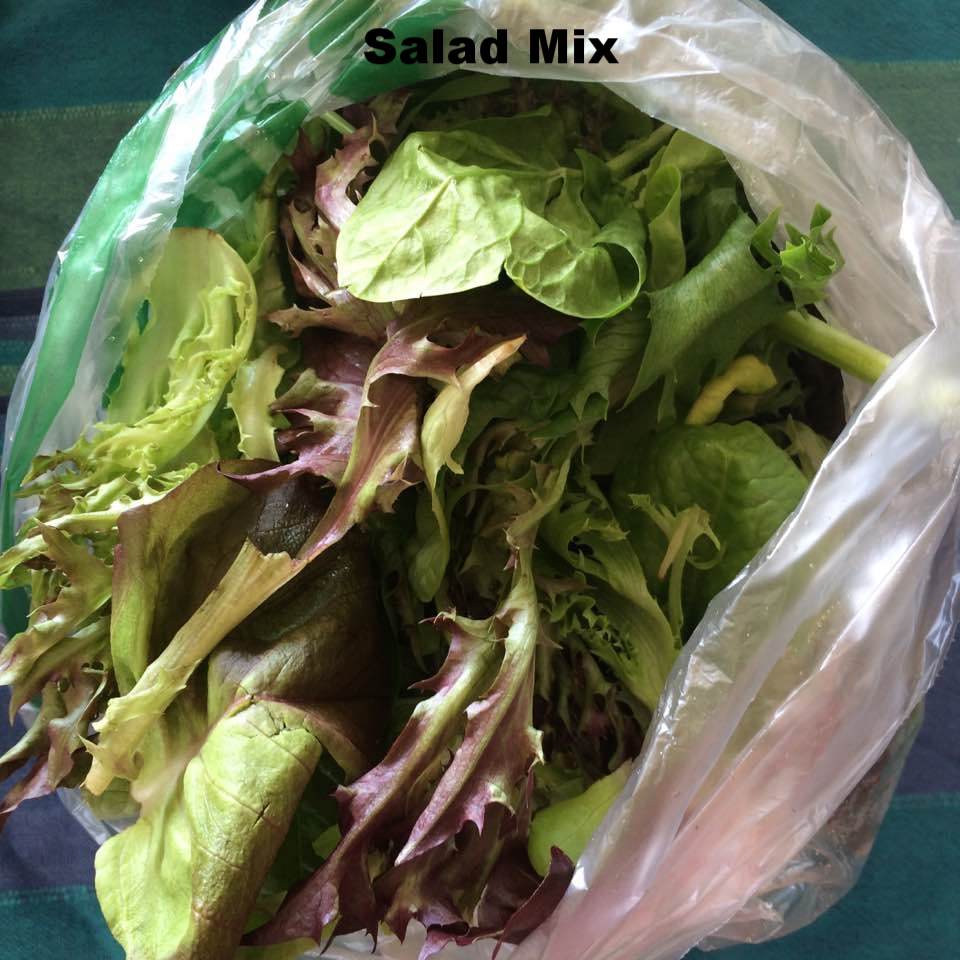
Salad Mix
Spinach
Chard, Kale, or Collards

Notes on the box.

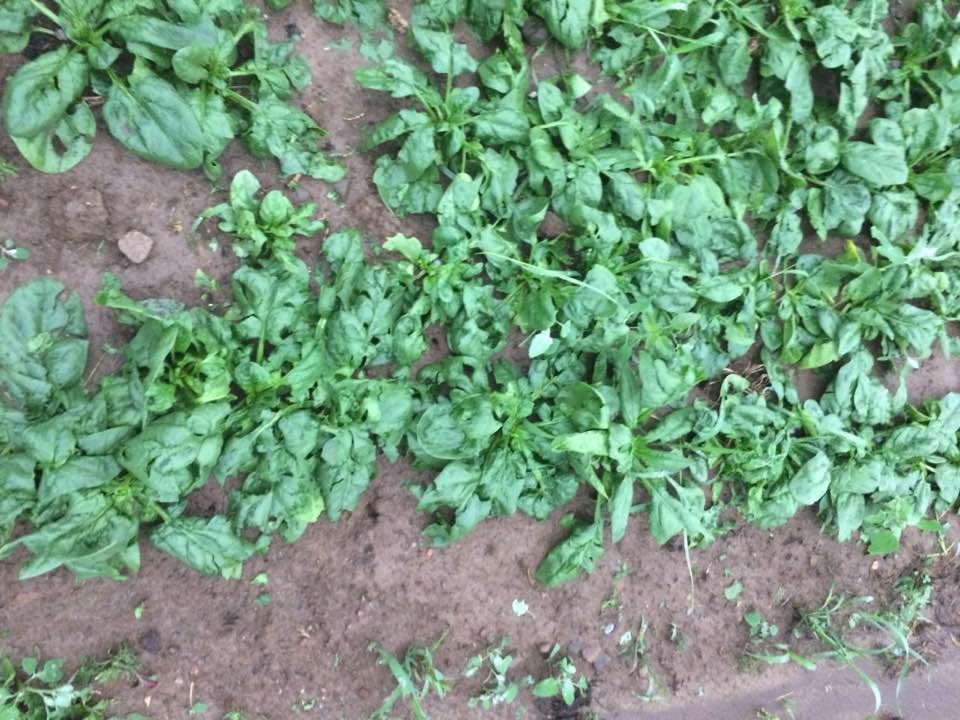
We are seeing the effects of the hail and washout rain in this box.  It's much lighter than we had planned and we had lower our quality standards a bit so that we could get this lettuce to you.  Radish and Arugula were washed out, broccoli buttoned up early so there are no nice big heads, and of course hail damaged lettuces and greens.  Due to hail damage on greens, rows that would have yielded 200-250 bunches of greens are now yielding just 50. The hail continues to be a thorn in our side. The next couple weeks might be a little touch and go as we wrap up the last of the spinach and some other spring hail damaged crops, and move more into some nice butter head lettuce, scapes, fennel, beets, carrots and summer squash. We picked just 20 lbs or so of squash this week, and some of the large shares saw that. Half of the squash got hail damage, but those plants seem to be bouncing back pretty well.  We think that as the season goes on we will be able to make up the lost value in these early season boxes as long as the weather stays nice!

Store everything in the fridge.  Lettuce and greens will keep better in a plastic bag in your crisper.   

Cosmic Wheel Creamery cheese shares.

This week I sent two aged cheeses.  They are the same recipe, but the MoonShadow is made when the cows are eating primarily hay early in the season and the MoonGlow is made when the cows are eating all green pasture.  The MoonShadow is also aged longer than the MoonGlow.  I sent these two together so that you can see what a difference the diet of the cows makes on the  cheese.  You can see that the hay makes for a more creamy white color while the grass is bright yellow.  The flavors are different, too.  I think the flavor of the grasses really comes through in the MoonGlow, especially when you taste it next to the MoonShadow.  Difference in texture has a lot to do with the difference in age and that the MoonGlow was made into larger wheels.  MoonGlow is a good melter if you plan on cooking with it.  The MoonShadow is a bit more crumbly and is nice on a salad.  Both are great for snacking and pair well with dried fruit, jams, or cured meat.  

Recipes.

Every Salad Dressing Recipe you might want.

Easy Scallion Pancakes

On the Farm.

We can't say enough how much we appreciated them emails and comments of support that come in after the bad news of the storms and the effect on the crops.  When we start to feel down about the crops we have to remind ourselves that the weather is truly a factor that is out of our control.  Your understanding on this helps so much.  

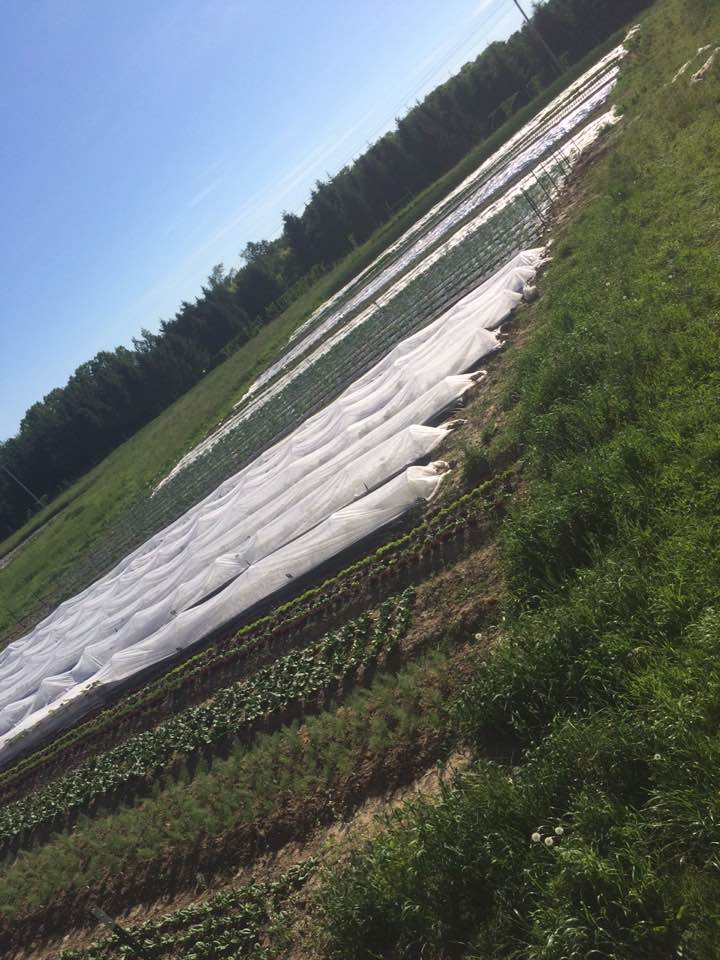
I thought I'd spend this week telling you more about Turnip Rock Farm, the place where your food is coming from.  It's attributes, it pluses and minuses, it's natural ability, and nature. 

The farm is two square 40 acre parcels, just 4 miles south of Amery WI. East of HWY 46. Its on google maps if you want to look. The North 40 has no buildings and was recently purchased by Rama's Mom and Dad. It is 18 acres tillable land, and remaining 22 is in wooded low ground with some big boulders sprinkled across, all which drains into the willow river water shed through snake creek to our east. The South 40 (owned by us as of last year) harbors about 5 acres of wet land that adjoins to the south with a federal owned water foul reproduction site. Turnip Rock does not have any adjoining farm fields.   That's nice because there is little risk of chemical drift or other issues that can happen with conventional ag next to an Organic farm.

The soil type on our farm is a silt clay loam. Heavy. Some rocks (though nowhere near as many as our previous farm that gave us our name), and a clay/sand subsoil. We have gently rolling fields that don't drain in any one direction. It holds water and fertility. 

The farm was homesteaded by best estimates around 1920 according to some found artifacts and previous owners we've talked to.  It used to be 160 acre dairy at that time with cattle grazing the wood lots and cropping on the tillable. It remained a 20-30 cow dairy up until early 1980s, which is impressive if you think of all the technological advances made in agriculture during that 60 year period.

There was a local coo coo clock maker that lived here who also refurbished furniture. He passed away with a long waiting list of people who wanted to buy his clocks. And a few locals still remember or have that piece of furtinture he fixed up for them. His workshop was a well house first, and is now our cheese aging space.

When we moved here, the previous owners were renting out the farm fields to a larger crop farmer down the road and owned horses and a landscaping company. When we showed up the barn was full of domestic goods, the milk house (we tore down) was a dog kennel, and what had been pasture was now over grown with 15 plus years of agricultural neglect and succession forest.  4 years of breathing life back into a farm... finally starting to see it wake up again.  

We have plans to add some fruit trees, continue to clear out invasive species in the wooded areas, and build the soil and graze animals.  

We hope you can come out to see the farm during the Eat Local Coop Farm Tour on July 15th.  If you can't make it then, we will be having more farm events later in the season!

Week 2; June 15, 2017

What's in the box?

Spinach
green onions
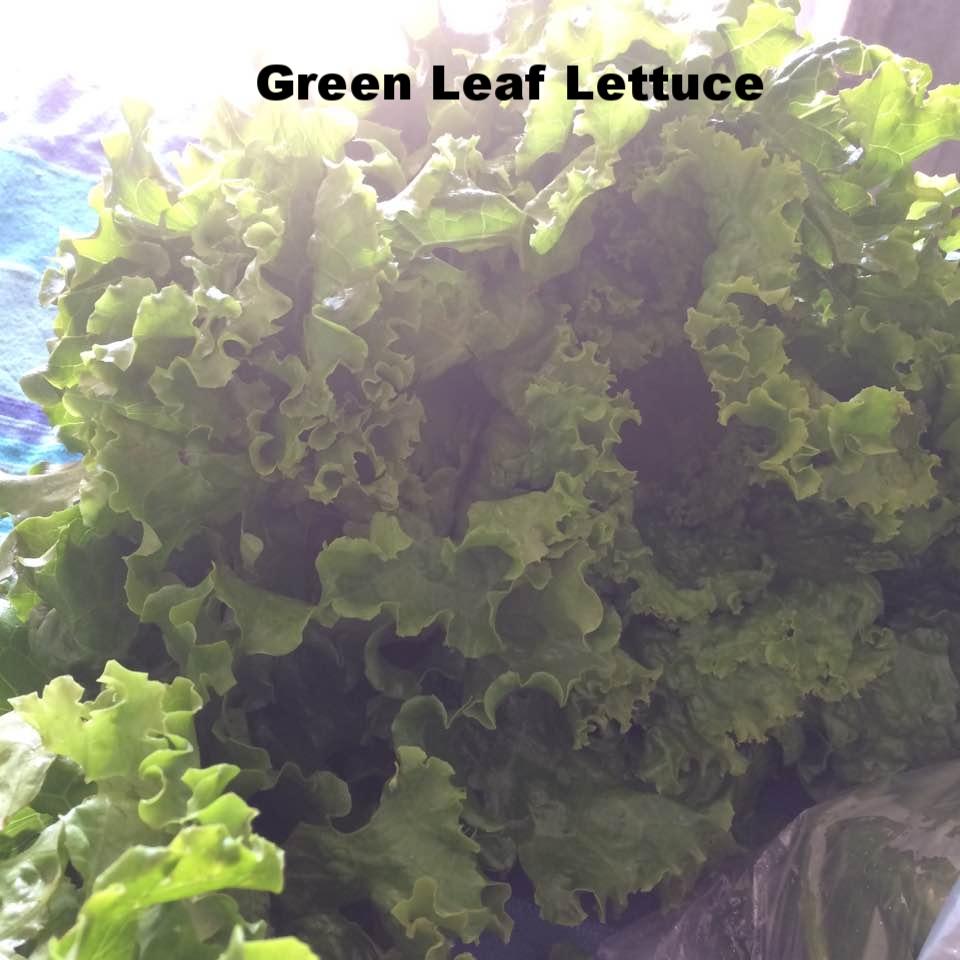
leaf lettuce
salad mix  
salad turnips
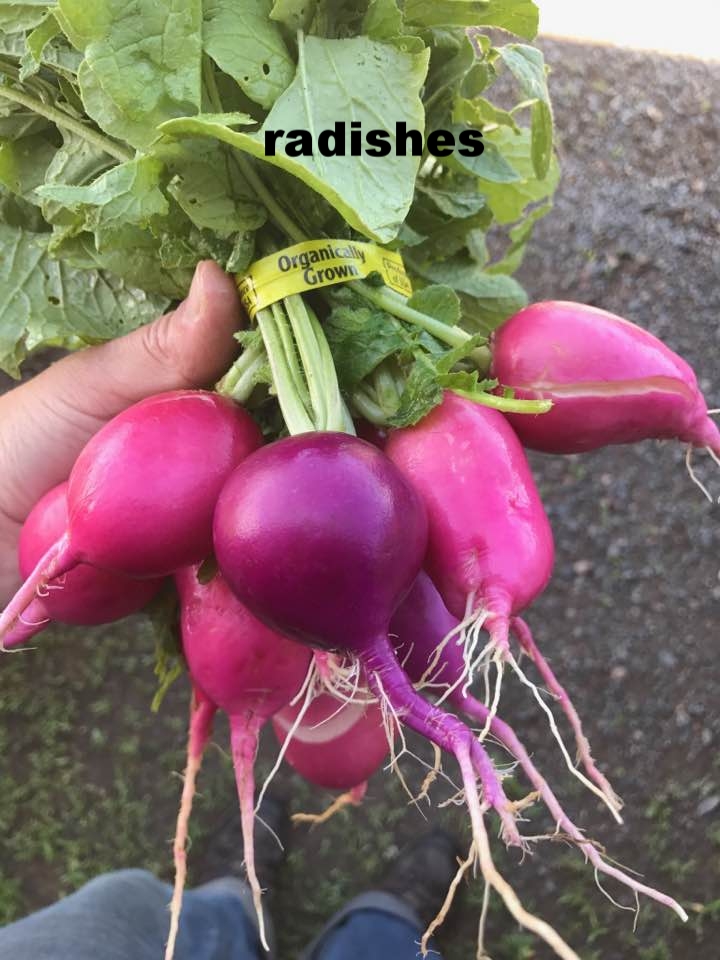
radishes - ELF and small
herb pot - medium and large
baby kale - medium and large
Napa and cucumbers-large
Broccoli flourets- medium

Notes on the box.

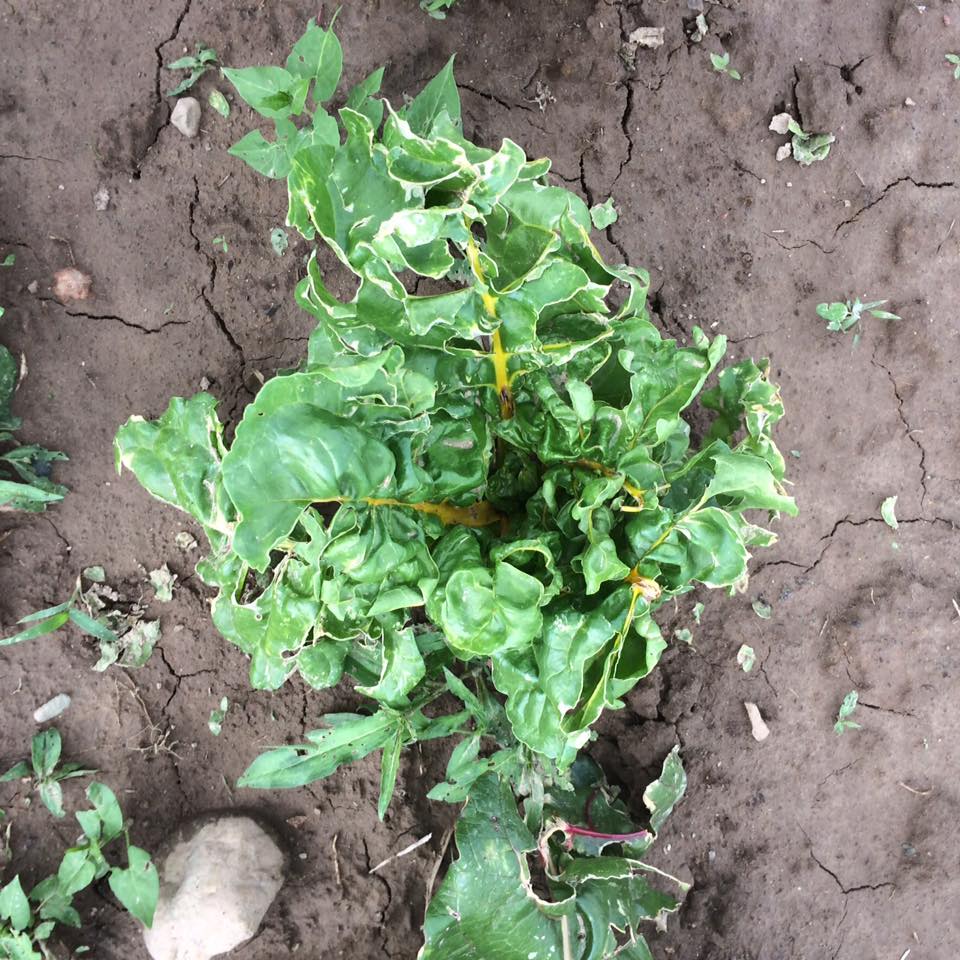
We got hit badly by the last hail storm.  Harvest was "picky" as we sorted out leaves that were damaged.  Yields were lower and quality is not to the level we normally expect. We did our best given the circumstances.  We were lucky that some things were under row cover and were protected.  But your head lettuce has some holes...  We had expected to put rainbow chard or kale in the boxes this week, but they were too damaged to include.  We will trim off the worst damage and hope the new growth comes quickly and that the plants don't go into shock.  
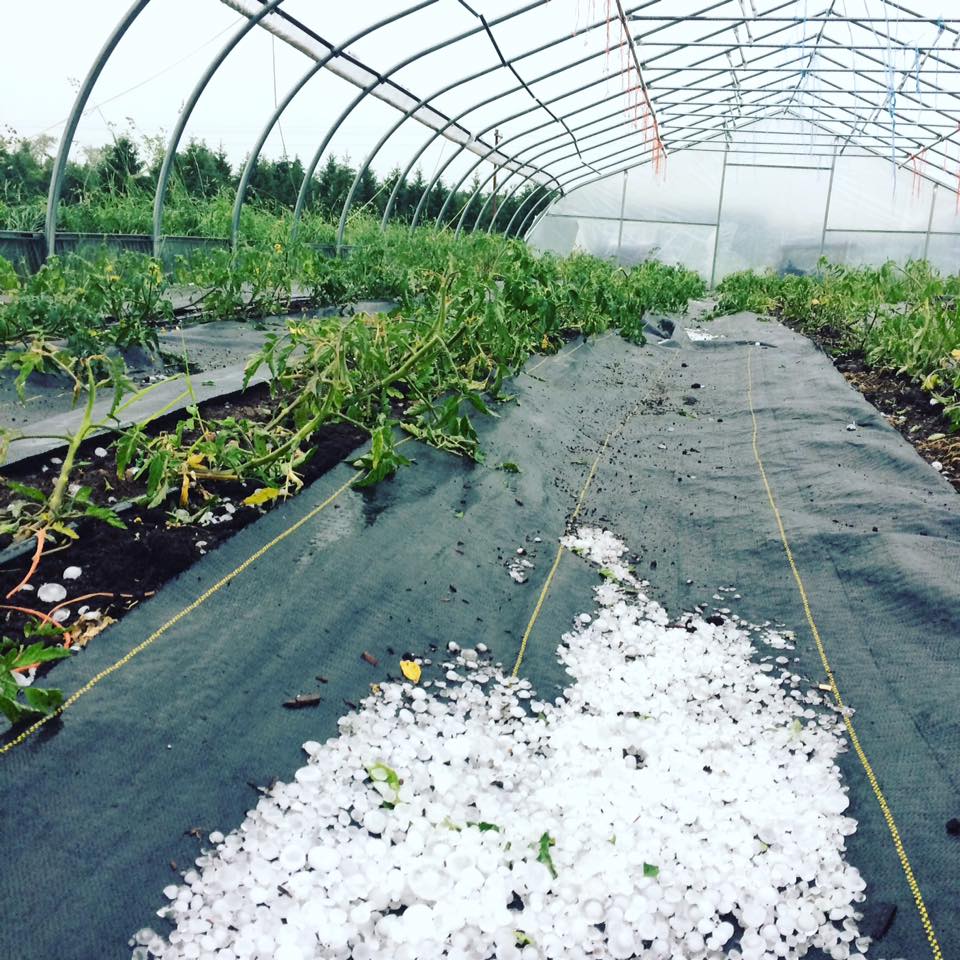
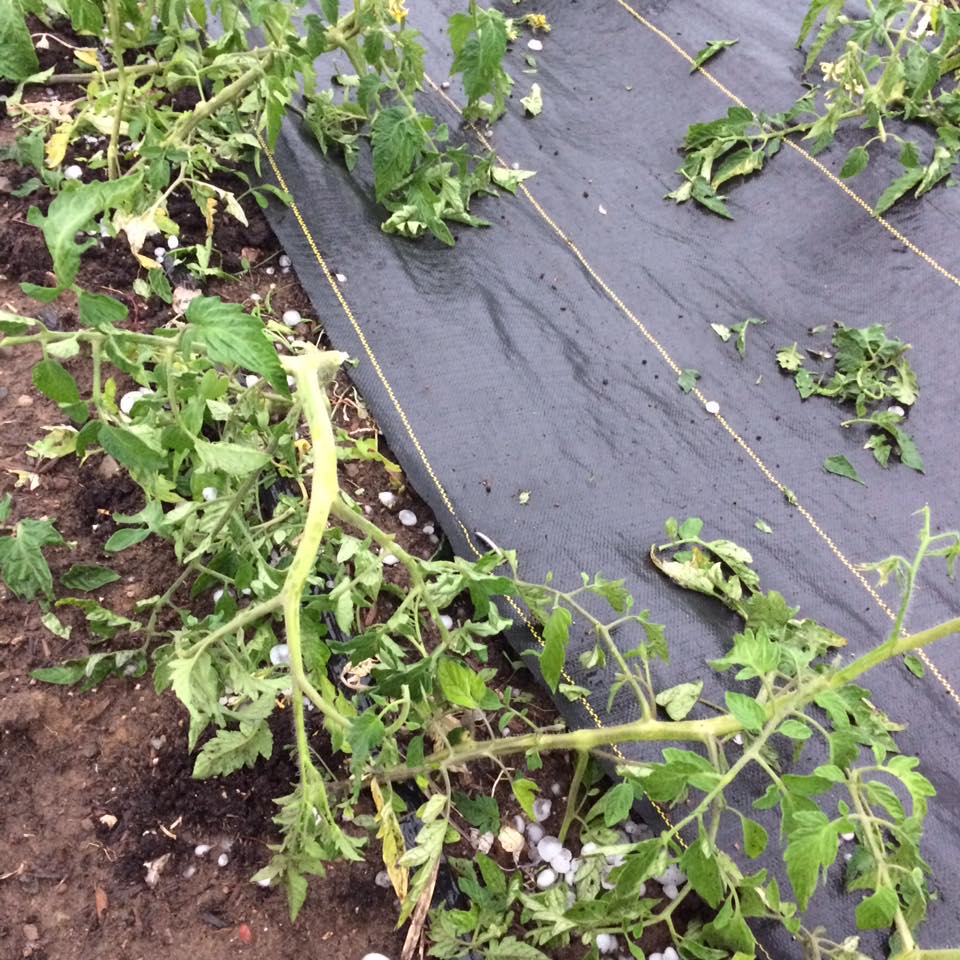
Broccoli "buttoned up" early after a month of sitting through cold weather and then the sudden shift to very warm temps.  The shifts in temps really stresses these plants (and farmers!) out.  We are sad to not have big full size heads for all members in the boxes.  Though if they had been bigger, we might not have been able to give them because they may have been more damaged by hail...  There is more info and pictures of the reality of these storms below.  Not for the faint of heart.
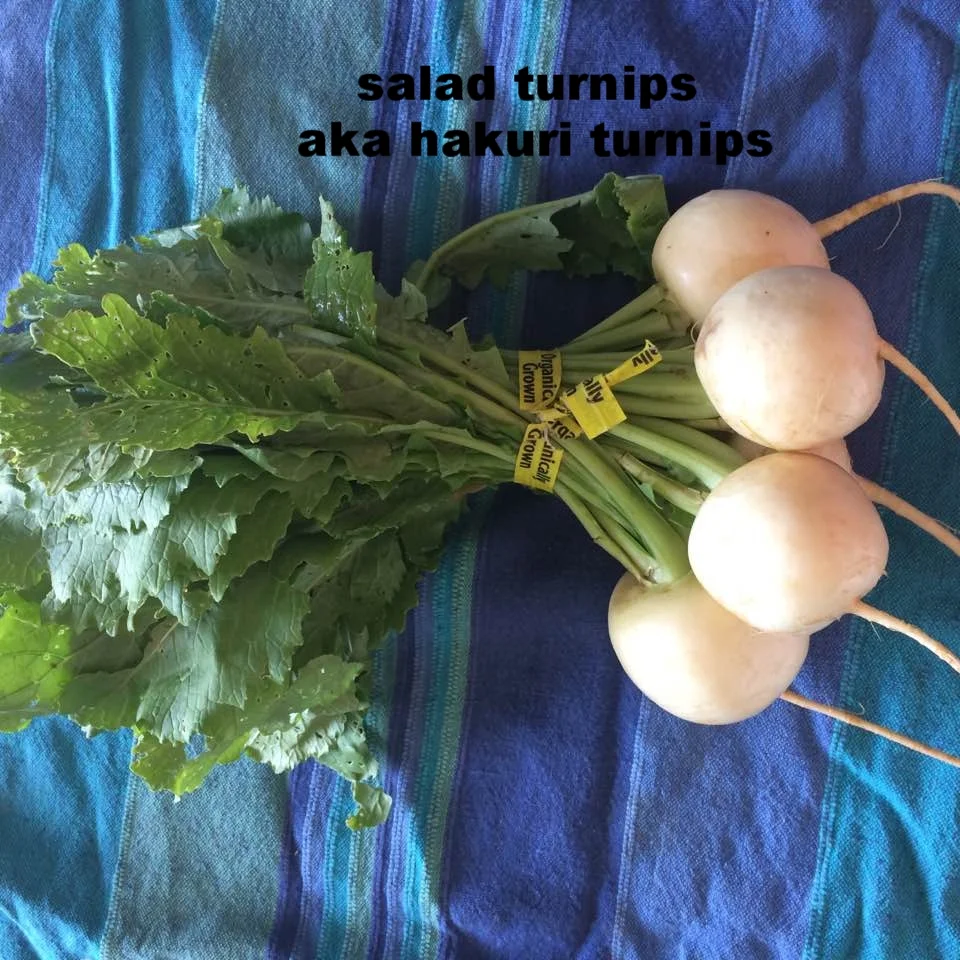
For best storage, greens should be removed from Radishes and Turnips right away.  Greens on Turnips and Radishes are edible and can be stored in a plastic bag in the fridge.  They are best cooked and can be added to baby kale if you plan on cooking that.  Chop them up and sautee to wilt with butter.  

Cheese Shares.

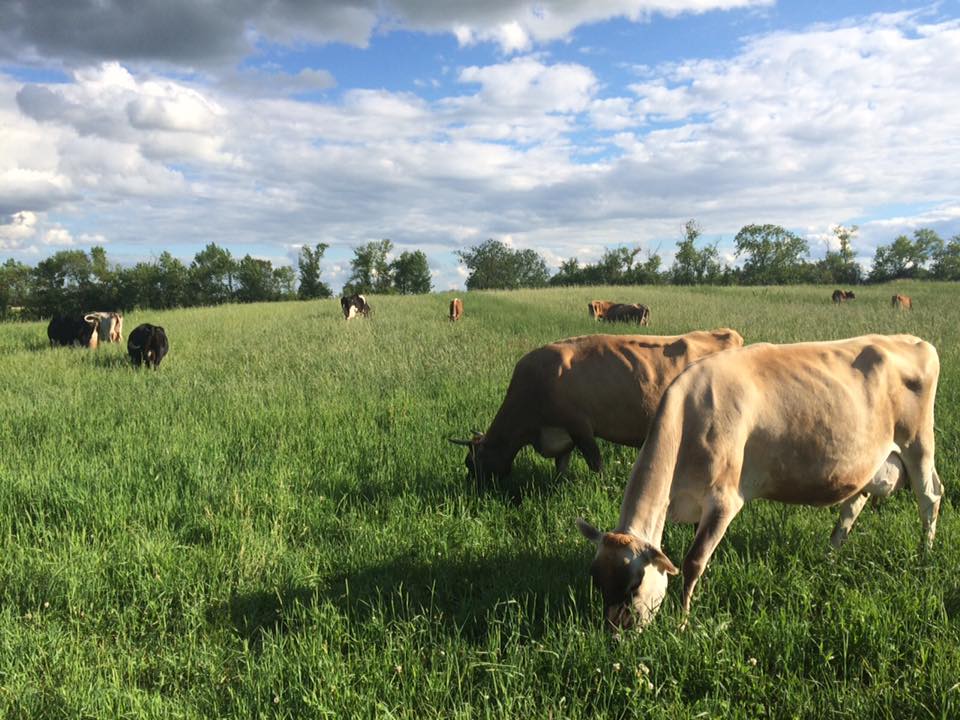
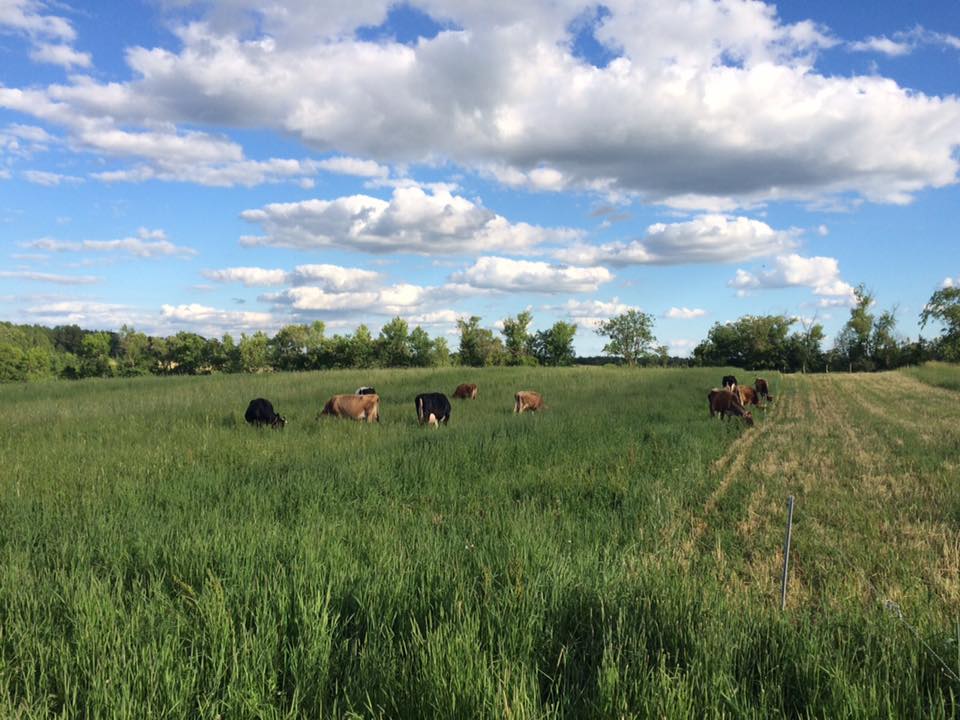
While the incessant rain and hail is no good for annual veggies, the grass keeps growing and the cows are all just fine!  They come into the barn when there's danger of a big storm, or if it comes suddenly, they seek shelter in the tree lines.  
This week we have fresh cheese curds made for you yesterday!  The quark flavored is with green garlic and dill and is a farmers market favorite.  My favorite thing to do with the quark is to have it on a slice of baguette with sliced radishes.  It's also good dolloped onto scrambled eggs or baked salmon at the very end of cooking.  Or you can mix it into warm pasta (might want to add a little bit of the pasta cooking water)  for an instant sauce and serve it on a bed of fresh spinach or lettuce.  Of course, you can also have it with crackers.  Cheese Curds are for snacking!  You can mix them into salad, too.  

Recipes.

Hakurei Turnips with Miso Butter by Deborah Madison
Ingredients
Japanese turnips
2 tbsp butter, at room temperature
2 tbsp mirin
3 tbsp white miso
1 tsp black sesame seeds (or white), toasted in a dry skillet until fragrant
3 green onions, white parts plus an inch of the greens, slivered
Sea salt
Instructions
Trim the turnips and peel neatly with a paring knife. Section them into quarters or sixths. Melt a tablespoon of butter in a skillet over medium heat, add the mirin, then the turnips, and cook, allowing them to color, for several minutes.
White the turnips are cooking, stir together the miso and the remaining butter. When the turnips are tender, add this mixture and allow it to bubble up, coat the turnips, and just heat through. Transfer to a serving dish, finish with the sesame seeds and green onions, and serve. This dish probably won’t need salt, taste to be sure.
*A few changes we made with this recipe... We didn't peel the turnips, and didn't think they needed it. I chopped off the greens while the turnips were still in a bunch leaving about a half inch of the greens' stems. Then I quartered the turnips and cooked as suggested above. Then, just before adding the Miso, I added the turnip greens, roughly chopped and let them wilt. I think it might also be good with Kale added before the Miso.

On the Farm.

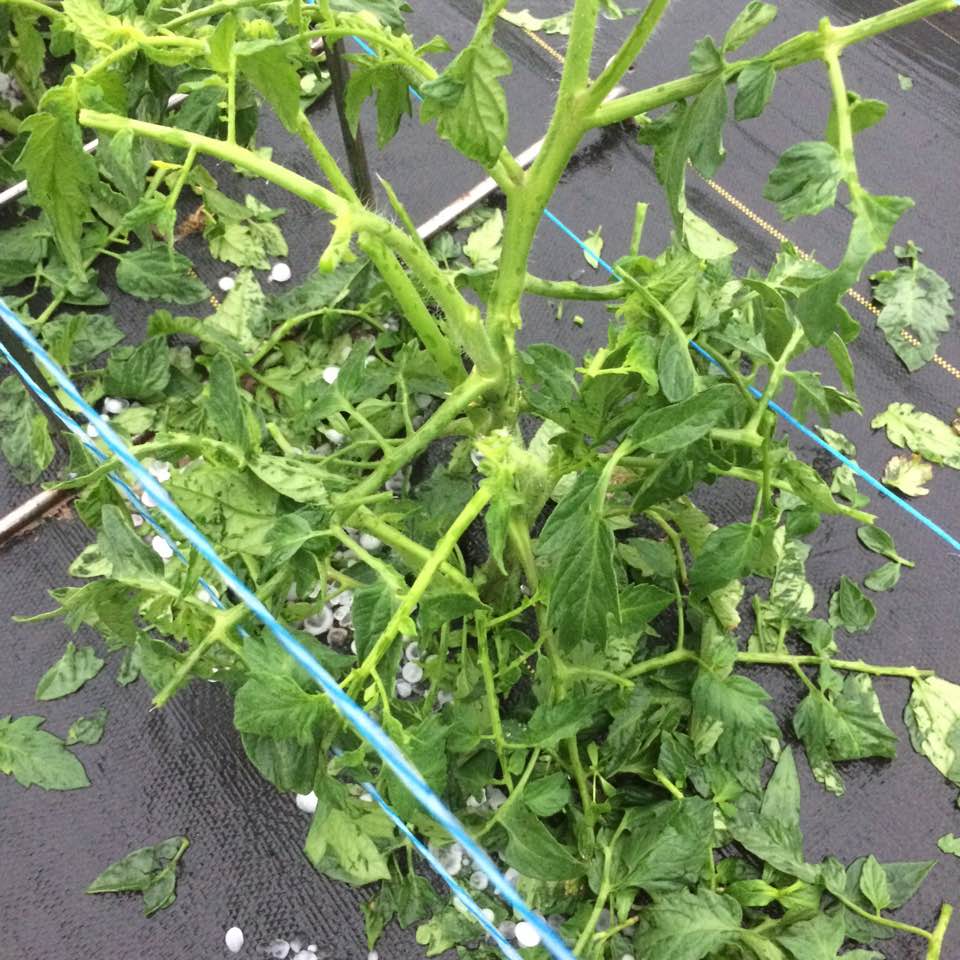
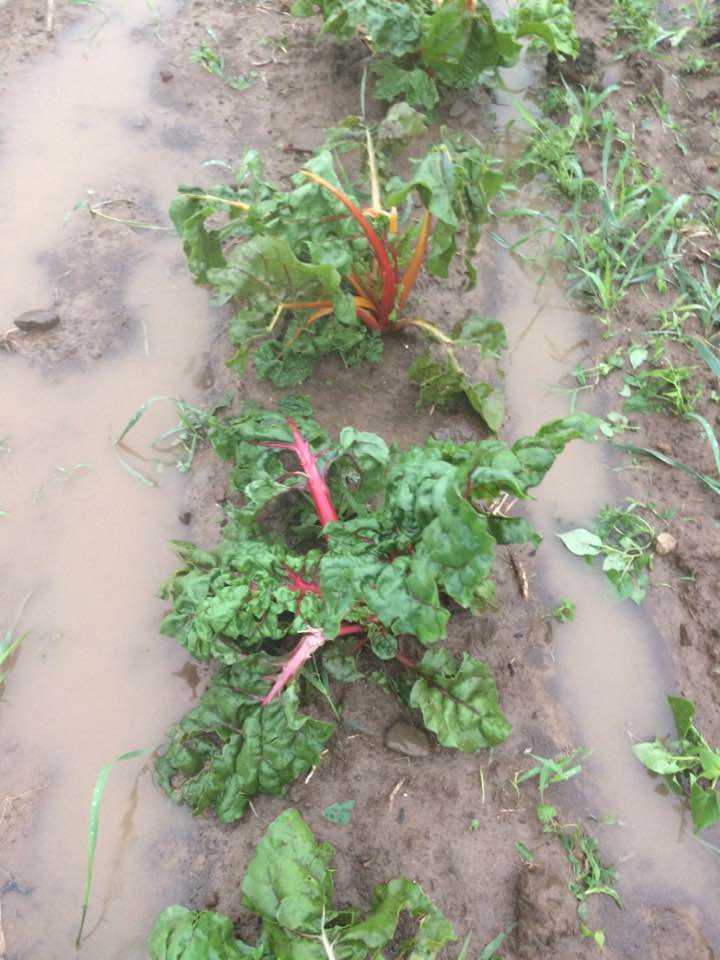
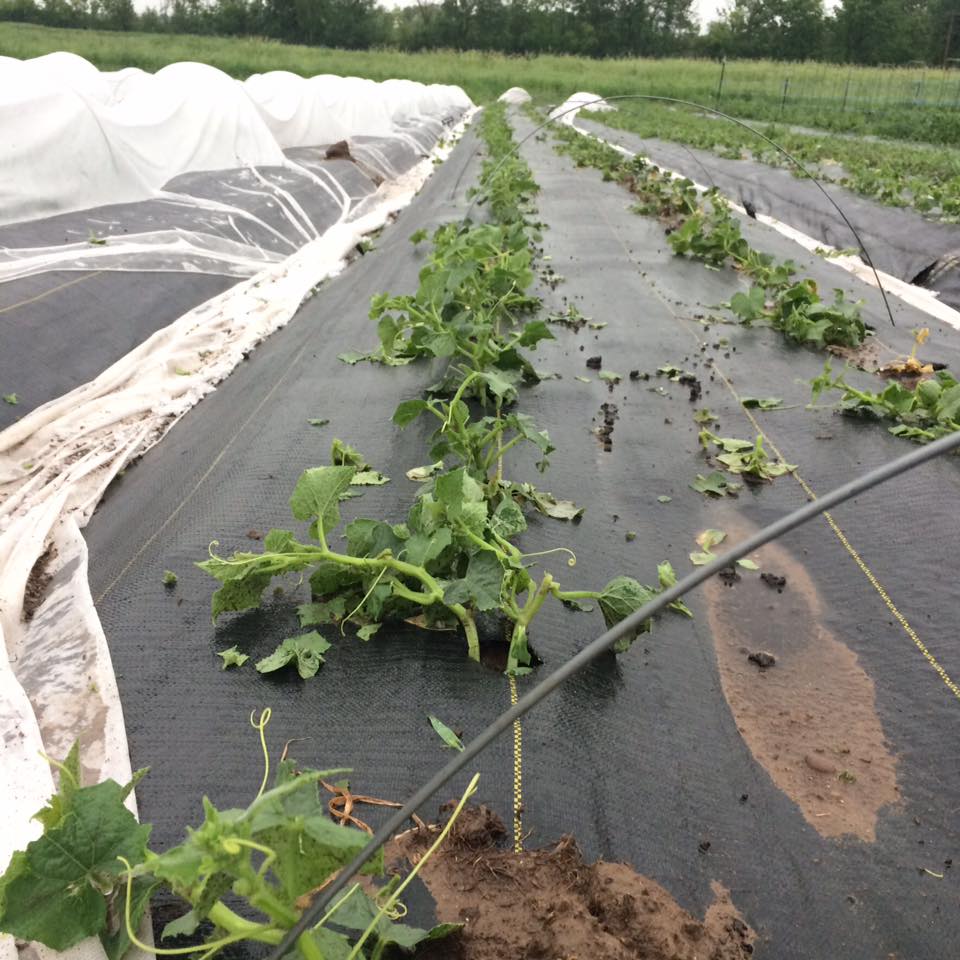
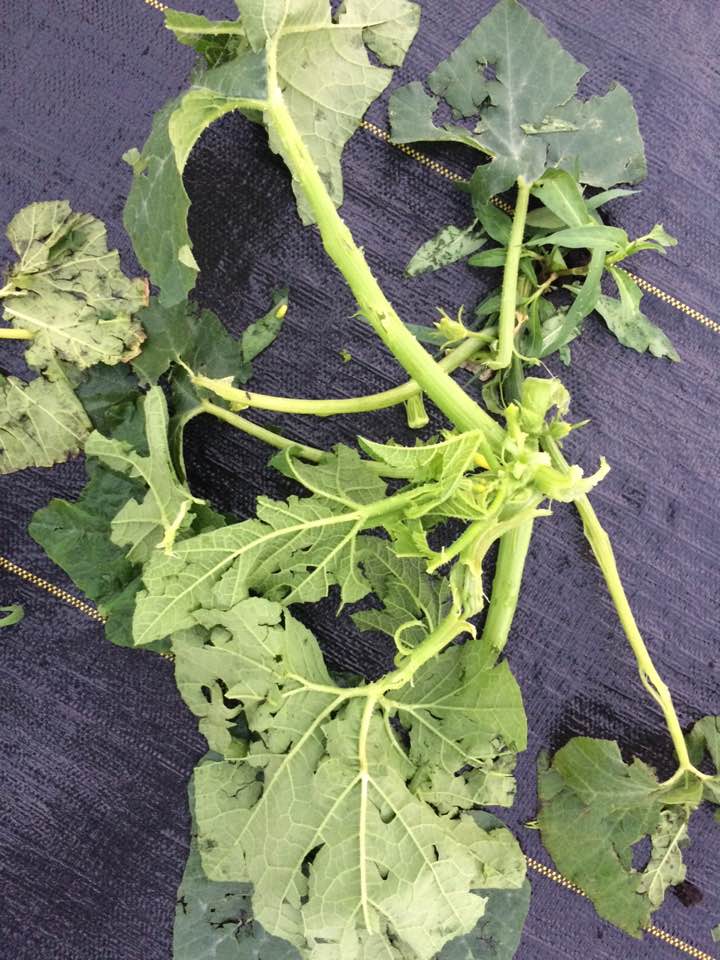
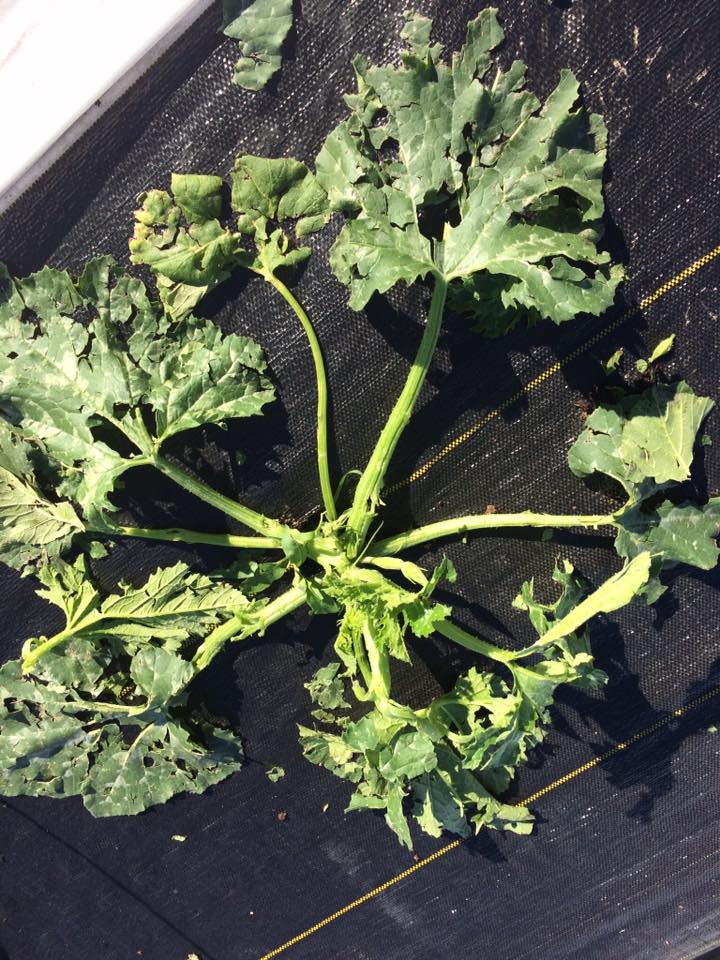
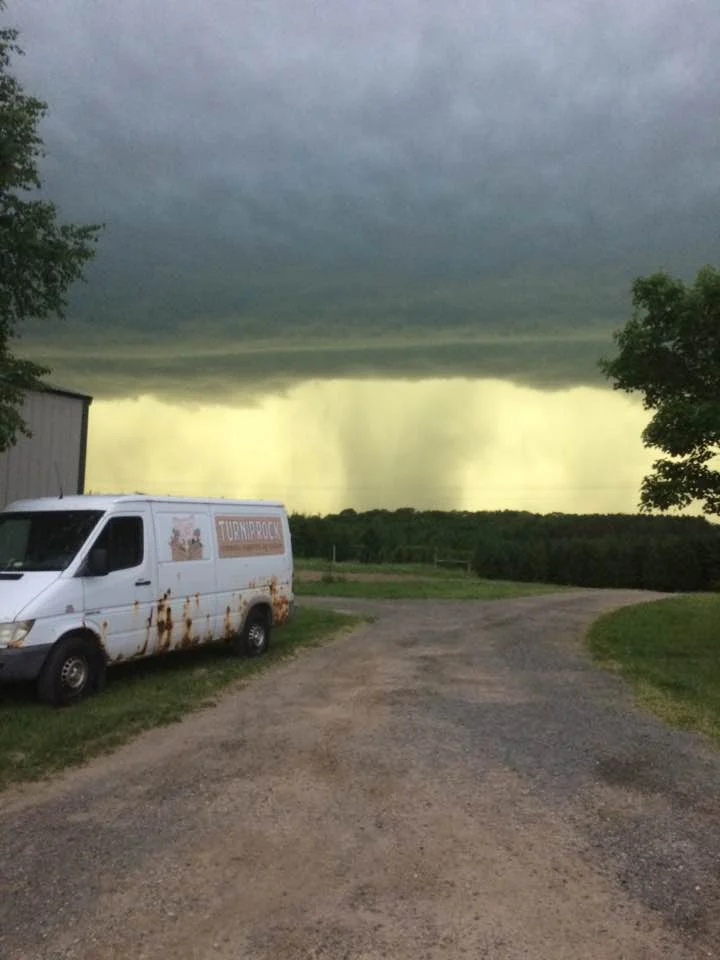
What a week.... Saturday was hot and very windy.  The wind ripped the plastic off of our hoop house on Saturday and on Sunday morning the sky turned green and we were hit with our second hail storm of the season. Followed by more excessive rain. 
As hail poured down we sent and received texts from the other farms that we are lucky to have in our neighborhood.  We saw lots of damage to farms nearby and also farms in Minnesota as well as farms further East of us.  
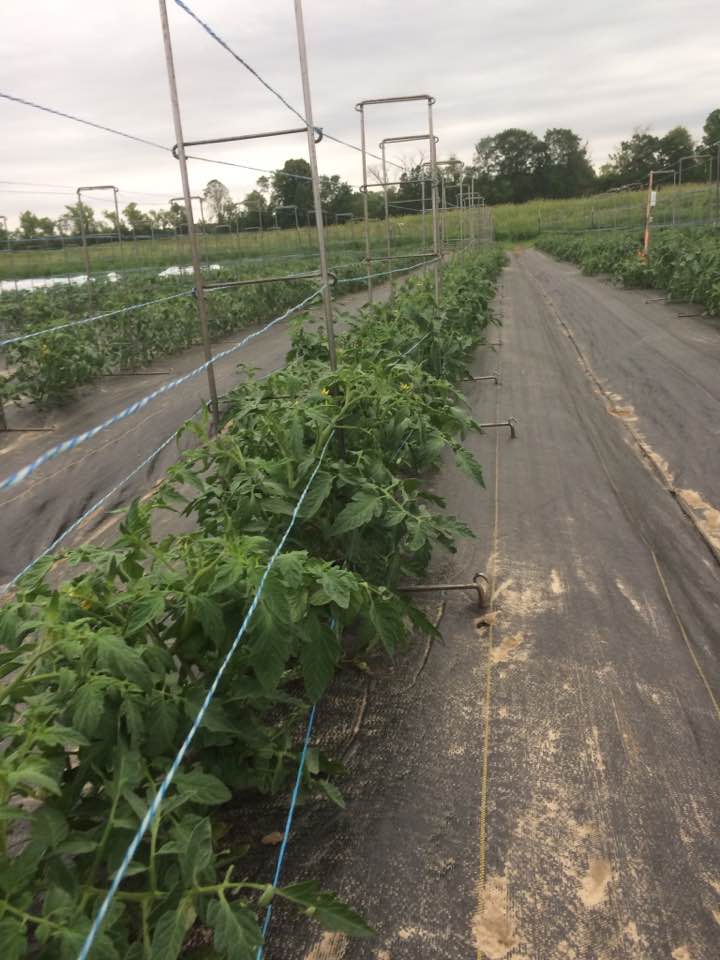
For those of you not in the know about growing vegetables, hail is among the worst weather a vegetable grower could get.  The first time around we were lucky and lost a few transplants.  But this time around we had full blown heads of lettuce, greens ready for harvest, beautiful Summer squash and zucchini, tomatoes with flowers and big leaves, and newly planted winter squash and melons... Long season crops like squash and peppers are one time plantings that it is now too late to replant. We were feeling very unsure during the storm and immediately after if we would have veggies to go in the boxes.
How'd we and our neighboring farms fair? It's still unknown ultimately. the plants are alive, maybe 10-30% was a complete loss in most of our crops. But the unkown factor is that the damage makes them vulnerable to problems and set back in their development. Open wounds can get bacteria and mold, which leads to disease and pest infestations.. many of the most vulnerable crops it's just too late to replant, so we will give them foliar feedings, trim off damage, and hope for the best. 
What do we do?  The CSA model plays a big role in the survival of a storm like this. We don't qualify for crop insurance and if we did, some of the pay out for the crops are only as high as 50% of the wholesale price of the crop. In other words, 25 cents for a bunch of radishes and less than a dollar for lettuce heads. At our small scale it wouldn't be worth the premium of the insurance. The ag world is built for the big farms.  You, our CSA members, are our support system.  Our community is our insurance.
Here is the proof that diversity is resilient.  It was bad, the worst we've seen in our tenure, but we were still able to pack a box. Most things look pretty okay, if lower yields. We had some foresight to harvest a few things ahead of the storm, but there wasn't a lot of time. The most affected crops were the head lettuce, full sized kales and swiss chard that we'd hoped to have in the box. Those things will bounce back. 
BUT to be clear, we have sustained a serious financial and crop yield reduction. Like all diversified direct market farms we have diverse income streams. We wholesale some of our produce when we can after harvesting for CSA.  We will lose thousands of dollars now due to the crop damage and we will spend thousands more in parts and labor to put it all back into place. There are no good words to describe the feeling.   We are all thankful that all people and animals on the farms are okay.  Buildings are still standing.  We are so grateful that things were not still worse.  We know that the twin cities got these storms as well and we hope that no one was hurt and that damage you endured was minimal.
Thanks for weathering the storm with us.   

What's Growing On?

things are tentative right now.  We hope for good weather and quick growth.